Before the Event Begins
Before a young person steps onto a field, joins a warm-up, or tries a sport for the first time, there is already a quiet process taking place.
It happens in meetings, in conversations, and in the questions asked long before the event begins. What will make this space feel safe? Who might need extra support? Which voices are missing from the planning? How do we make participation possible, but also meaningful? At United Through Sports, an inclusive sports programme does not begin with a schedule. It begins with listening.
Rooted in the Community
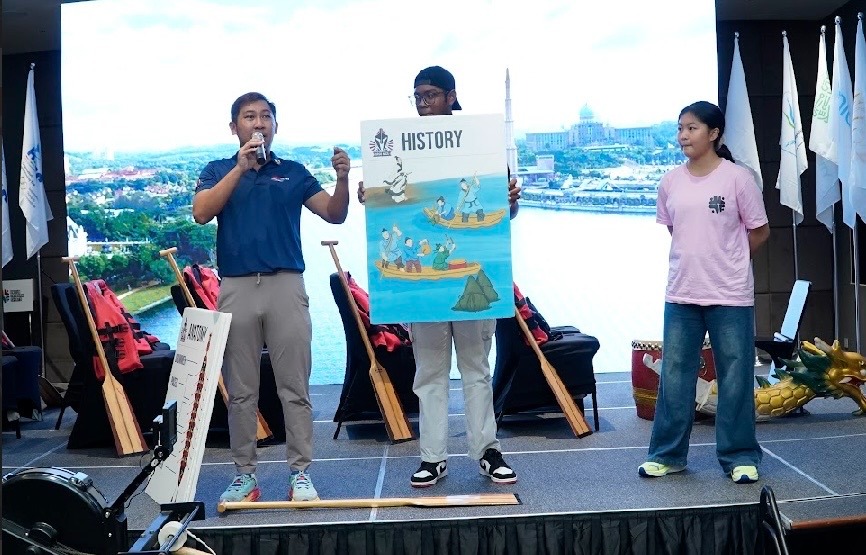
For every event, UTS starts by understanding the community it is working with. The culture, the young people, and the sports that already carry meaning there. For the UTS World Youth Festival in Malaysia, this meant looking beyond a standard sports format and asking what would feel relevant to the youth taking part. It meant recognising the importance of cultural sports such as Sepak Takraw, and introducing young people to dragon boat, a sport built around rhythm, unity and collective movement.
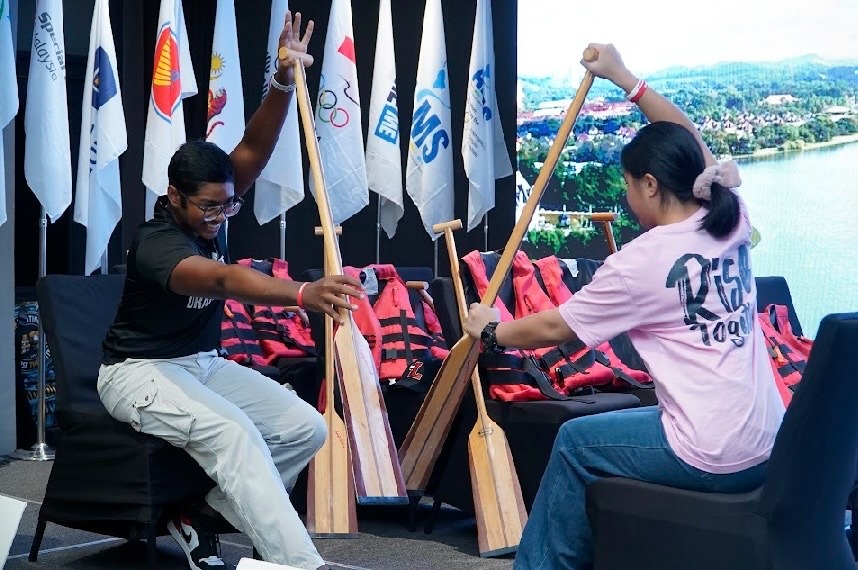
These choices matter. They remind young people that sport is not something separate from their identity or community. It can come from where they are. It can reflect the place they call home. It can carry history, culture and pride, while still opening the door to something new. But building an inclusive sports programme is not only about choosing the right activities. It is about how young people are brought into the experience.
At UTS events, youth are not treated as participants arriving at the end of a planning process. They are part of the process itself. Through Young Leaders, surveys, interviews, demonstrations and direct feedback, UTS learns from the people the programme is designed for. Young people show what excites them, what feels accessible, and what could be improved. Their perspectives strengthen the programme and make it more responsive to those taking part. Often, inclusion is found in the smaller details. The way an activity is explained. The confidence of the person leading it. The choice to make a session non-competitive. The decision to create space for someone to watch first, try slowly, or participate in a different way.
Movement Without Pressure
This is at the heart of FITLAH, UTS’ movement and sports discovery programme inspired by the Malaysian expression encouraging people to get moving. FITLAH was created to remove pressure from sport and replace it with possibility. It gives young people the chance to move, try, learn and connect without feeling they have to perform before they are allowed to belong.
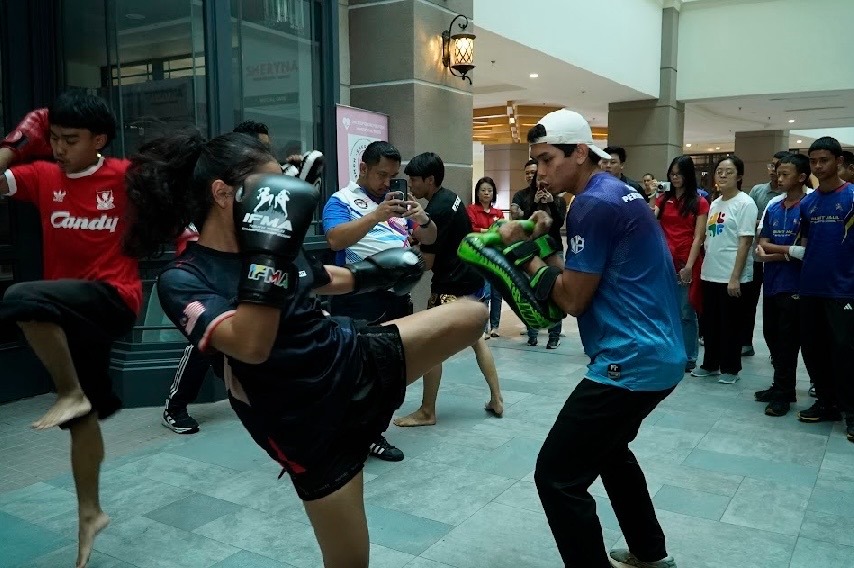
Through activities such as Jump Rope, Muay Thai, Sepak Takraw, dragon boat introductions, traditional regional games and informal recreational zones, young people are invited to experience sport as something open and joyful. The focus is not on who is the strongest, fastest or most skilled. It is participation, curiosity and the confidence to try something new in a supportive space.
That shift matters, especially for young people who may have felt excluded from sport before. Not every child enters a sports setting with confidence. Some arrive with a fear of being judged. Some have physical or intellectual disabilities. Some may struggle with language, communication, anxiety or unfamiliar environments. Others may simply have been made to feel that sport is not for them.
An inclusive programme has to recognise that reality and respond to it with care.
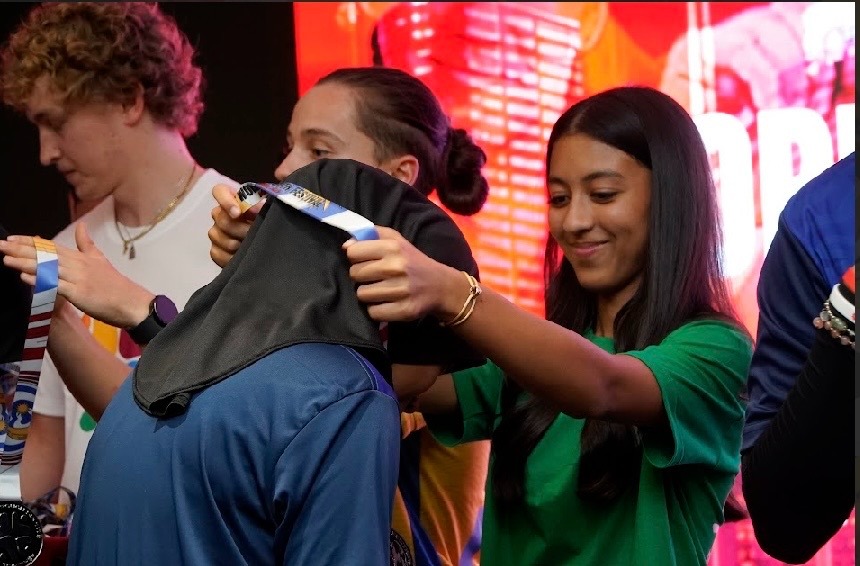
Through UTS’ Learn & Discover activities, young people are encouraged to experience movement from different perspectives. Adapted activities, including blindfold challenges, create moments where participants begin to think differently about access, ability and physical difference. These exercises are not there to suggest that someone can fully understand another person’s lived experience in a single moment. They are there to open a conversation. To help young people pause. To show that the same space can feel very different depending on the body, mind or circumstances someone brings into it.
The Work Behind the Moment
It is also why UTS continues to seek guidance from those with deeper expertise. Through consultations with Special Olympics and inspiration drawn from their events, UTS has reflected on how inclusive sport can be delivered with greater care.Through a dedicated session with Special Olympics on the Motor Activity Training Program, UTS was able to look more closely at how sport can be adapted for young people with different abilities and needs. These conversations helped shape our thinking around how to make UTS sports events more inclusive, while also exploring how our own MATP approach could be built into future programmes.
This kind of learning matters because good intentions are not enough. Inclusion needs humility. It needs advice. It needs the willingness to admit that no organisation has all the answers on its own. Behind every inclusive session is practical work that most people never see. Conversations about who needs to be present. Planning around facilitators, Young Leaders, volunteers, safeguarding support, accessibility, medical needs, equipment, language and space. Questions about how a young person will move through the activity, who will support them, and what happens if they feel overwhelmed, unsafe or unsure.
These details may not appear in the final photographs, but they shape everything.
They are what make it possible for a child to join a fun walk at Stadium Merdeka. For a young person to try Sepak Takraw for the first time. For a group to move together through a dragon boat rhythm exercise. For someone to receive a medal or certificate not because they won, but because they took part.
What It Really Takes
At its best, sport gives young people a way to enter the world with more confidence than they had before. It gives them a shared language when spoken language may differ. It gives them a place to move, laugh, lead, try, fail and try again. It can turn a stadium, a workshop or a simple activity space into somewhere a young person feels seen.
That is the emotional side of inclusion. It is about access, but it is also about dignity. It is about belonging. It is about making sure young people are not just included in the programme, but considered in the thinking behind it.
For UTS, this is central to what inclusion means. Youth must have a voice in the spaces created for them. They must be able to shape the experience, not simply attend it. They must be given opportunities to lead, share their perspective and show others what sport can become when it is built around people rather than performance. Building an inclusive sports programme takes time. It takes research before the event, conversations during the planning, feedback after the sessions and the courage to keep improving. It means listening to young people, learning from partners, consulting experts and treating every event as another opportunity to do better.
Because inclusion is not achieved when the doors are opened.
It is achieved when young people walk through those doors and feel that they were expected, considered and wanted there.
That is what it actually takes.