Walk into a standard, adult-designed workshop on bullying or sexual harassment and you can usually predict what you’ll find before you open the door. A row of chairs. A slide deck. A lecture. Rules, consequences, and a well-meaning adult explaining to young people how the world works, and how to survive it.
Now, walk into a session designed and delivered by youth leaders at a United Through Sports (UTS) festival.
The room is alive.
The room is moving. It is interactive, fluid, and loud. More importantly, the conversation is fundamentally different. Instead of just focusing on the victims of bullying, the youth leaders actively bring the bullies into the equation, asking why they do it and how they can be helped, too. Voices are overlapping. There is laughter, and then there is silence, the kind that falls when someone says something so honest it stops the room. Conversations that never happen in classrooms are happening here, right now, between peers who trust each other in ways they cannot always trust the adults in their lives.
When you give young people the microphone, the entire approach to education and leadership shifts. Data and outcomes from UTS festivals, workshops, and leadership exchanges show that the difference between adult-designed and youth-led programming isn’t just about the energy in the room, it’s about a completely different perspective on solving real-world problems.
The Difference Isn’t Just Energy. It’s Everything.
Moving Beyond the Lecture: The Power of Peer-to-Peer Engagement
Adults often design educational programs based on how they think young people should learn. Youth leaders design programs based on how they actually learn.
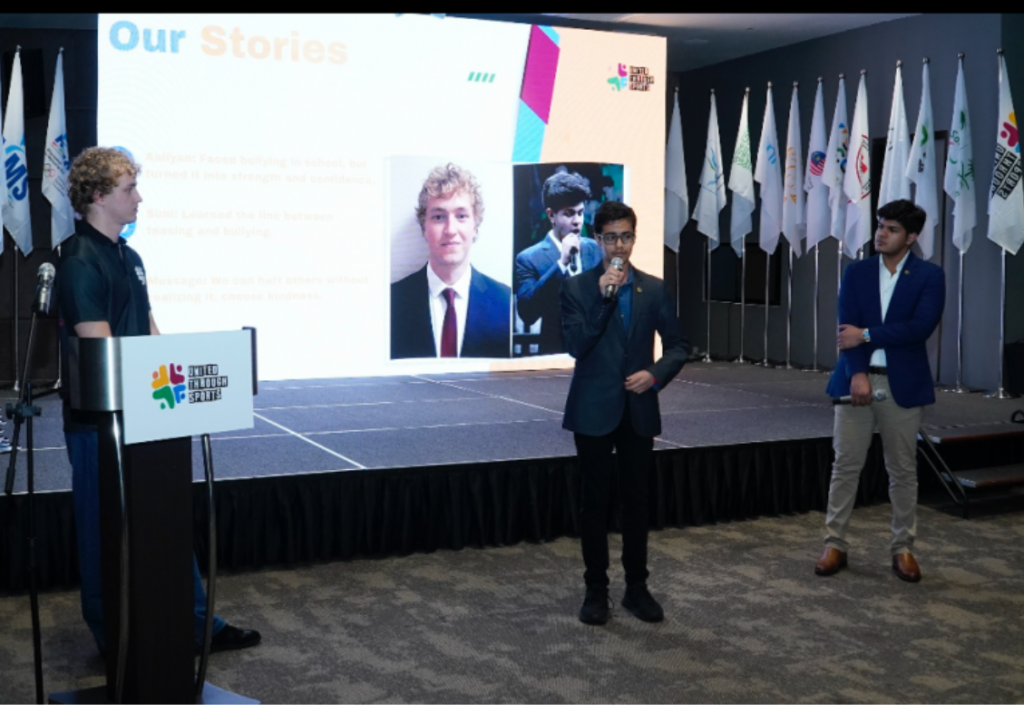
Rather than delivering education in a formal, static classroom style, the UTS Education Forum is a youth-centred learning programme built around active participation. Because the UTS Youth-Led Programme is built by young people, they provide an inside perspective on what youth actually want to see from an education session. Instead of being sat down and lectured, the forums are specifically designed to be:
Deeply Interactive: Built around group discussions, scenario exercises, games, reflection activities, and practical examples.
Constantly Moving: Designed as active, hands-on learning experiences rather than passive presentations to ensure young people are fully engaged.
Genuinely Relatable: Spearheaded by UTS Young Leaders who share their own personal reflections and lived experiences, making the material deeply inspiring and relevant to the audience.
The proof is in the response. And when young people walk away, they carry with them critical knowledge about their rights and safety that they simply did not have before. Not because they were told. Because they discovered it together.
The Question Nobody Else Was Asking
A 360-Degree Perspective on Tough Topics and the most profound difference between adult-designed and youth-led programming is how complex issues like bullying and sexual harassment are approached. Here is where youth-led programming does something quietly revolutionary.
Adult interventions naturally tend to look at these issues through a protective or disciplinary lens, focusing heavily on the victims and outlining reporting mechanisms. While essential, this only addresses half of the problem.
The UTS Youth-Led Programme takes a more holistic, 360-degree perspective by taking all viewpoints into account:
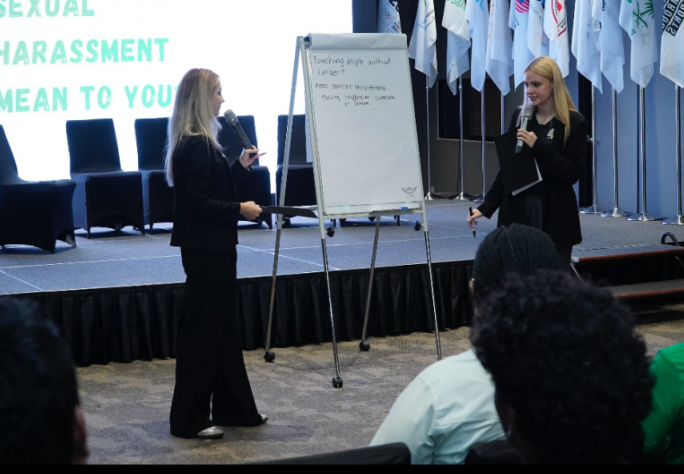
The UTS Approach: Adult-designed programs would typically only focus on the victims of bullying. The UTS Education Forum looks at the bullies also—exploring the impact of bullying from different perspectives, understanding accountability, and figuring out why they do it and how we can help them to stop the cycle.
By stripping away the fear of adult judgment, youth-led spaces allow for a more honest exploration of harassment awareness, boundaries, and safe sport. It opens the door to true peer accountability, helping young people identify inappropriate behavior while offering an empathetic path toward behavioral change.
Adaptability and Global Leadership Exchanges
A core strength of the Education Forum is that it avoids a “one-size-fits-all” adult framework. UTS does not deliver the exact same programme in every country. Instead, each Forum is carefully adapted to the specific national or local context, directly targeting the unique challenges young people face in that community, whether it relates to safeguarding, social media safety, confidence, or inclusion.
Furthermore, the programme seamlessly adjusts its tone, language, and activity style across different age groups, meaning younger children, teenagers, and young leaders all receive meaningful education tailored to their level of understanding.
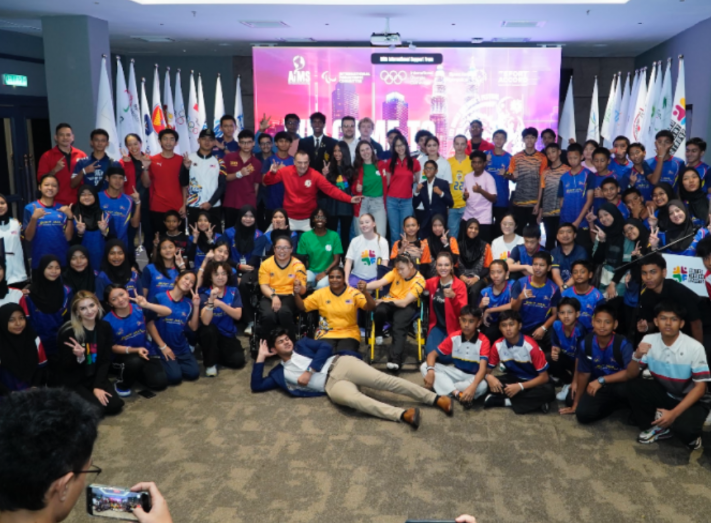
This model was put on center stage at the UTS World Youth Festival in Malaysia, where the Education Forum formed a central part of the wider youth engagement programme. By encouraging open discussion and practical learning, the event successfully reached hundreds of young people in person and thousands more online.
The Verdict: Trust the Youth Perspective
Sport has an incredible power to bring young people together, but participation alone is not enough. To create safe, inclusive, and respectful environments, young people must be active participants in shaping the conversations that affect them, rather than just passive listeners. The voice of the youth must be heard!
The outcomes of the UTS festivals and the Global Youth Assembly prove that young people should not only be included in sport, but given meaningful opportunities to lead, speak, and influence change. When you give young people the microphone, they don’t just speak, they listen to all sides of a problem, keep their peers engaged, and design a safer, more empathetic future for everyone.
When you give young people the microphone, they do not simply speak. They listen to every side. They hold their peers with empathy and with accountability. They ask the questions adults forgot to ask or were too afraid to.
They design a better future. Not someday. Right now, in the room, with the microphone in their hands.