On the eve of Olympic Day 2026, United Through Sports brought together voices from across the international sporting community for an online conversation that was both timely and necessary: how do we ensure that sport is not only inspiring, but genuinely safe?
The global safeguarding webinar, Where We Draw the Line, was opened by United Through Sports President Stephan Fox, who welcomed participants and grounded the webinar in its wider purpose. Speaking on the eve of Olympic Day, President Fox drew a direct line between the Olympic values of excellence, friendship and respect and the responsibility every sport organisation carries to make those values real in practice. His message was clear: safeguarding is not separate from sport’s highest ideals, it is the condition that makes them possible. It was a fitting opening for a conversation that would go on to challenge the entire room to look beyond policy and ask harder questions.
Hosted by Belle Tucker, the webinar created an important space for safeguarding experts, sport leaders, athletes, educators and partner organisations to come together around a shared responsibility: protecting young people in and around sport.
A Conversation With Purpose
The timing of the webinar carried particular significance. Olympic Day celebrates excellence, friendship and respect, but these values can only be meaningful when every young athlete, participant and volunteer feels protected, listened to and valued. For United Through Sports, the webinar was therefore more than a discussion on policy. It was a reminder that safeguarding is one of the ways sport proves its commitment to the values it claims to uphold.
Opening the session, United Through Sports President Stephan Fox welcomed participants and highlighted the importance of safeguarding as a foundation for integrity, confidence and positive youth development. His message set the tone for a webinar that moved beyond compliance and placed human dignity, protection and accountability at the centre of the discussion.
What made the webinar significant was the way it brought together different parts of the sporting world into one shared conversation. Human trafficking, integrity education, policy implementation, athlete voice, inclusion, disability, power imbalance and organisational culture were not treated as separate issues. They were connected as part of a wider responsibility to protect young people and strengthen trust in sport.
Looking Beyond the Field of Play
Lerina Bright, Executive Director of Mission 89, was invited by UTS CEO Julia Govinden for an important discussion on human trafficking and exploitation in and around sport. Their session reminded participants that safeguarding risks do not only exist within official sporting spaces. They can also surround sport, especially around major events, travel, recruitment and opportunity, where young athletes and communities may become more vulnerable.
Through Mission 89’s work and The Line We Don’t Cross campaign, the discussion called attention to the responsibility of sport organisations to recognise warning signs, build safer systems and respond before harm occurs. It was a powerful reminder that sport cannot claim to empower young people while ignoring the risks that may exist around them.
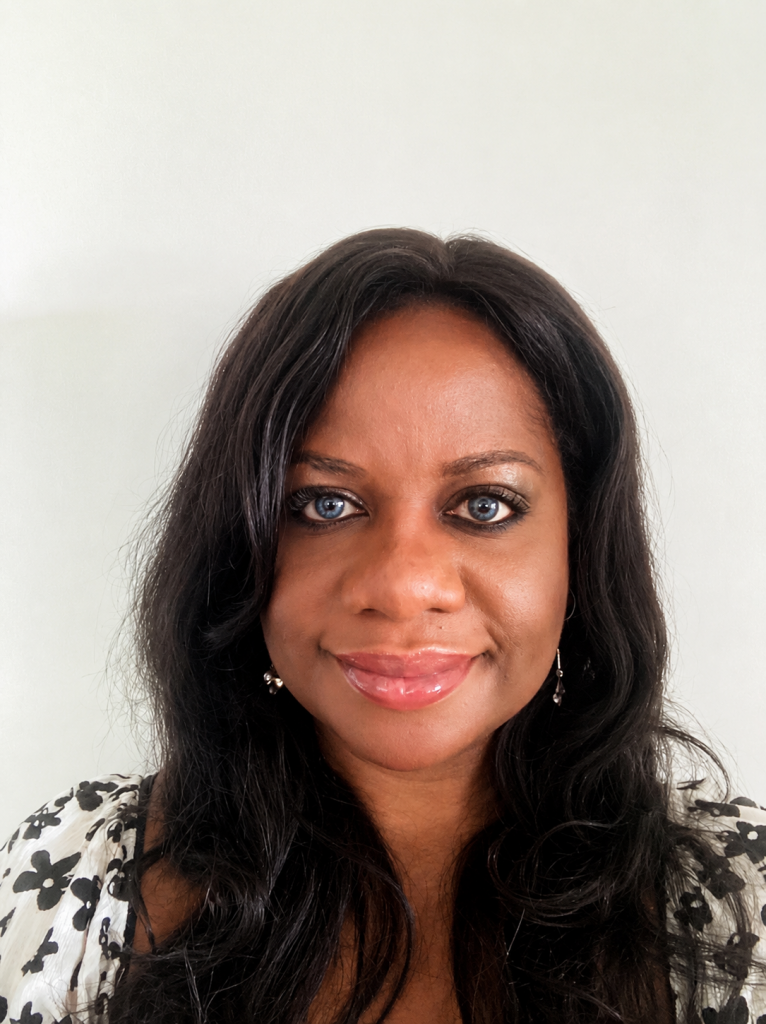
“Sport has the power to change lives and build futures for young people. That power comes with profound responsibility. When we ask ‘Where do we draw the line?’ we’re asking whether sport is willing to protect the very people it claims to develop. Safeguarding isn’t separate from sport’s values. It’s the foundation that makes those values real.”
Lerina Bright
From Values to Education
Dr Julie Gabriel, President of FISav and Vice President of AIMS, continued the conversation by focusing on integrity education in sport. Her presentation on the AIMS Integrity E-Learning Platform and the FISav Fair Play course showed how education can give athletes, coaches, officials and volunteers the tools to understand their responsibilities and make better decisions.
Her message was clear: safe sport is built through learning, values and consistent expectations. Education helps transform safeguarding from a policy obligation into a shared culture of respect, fairness and accountability.
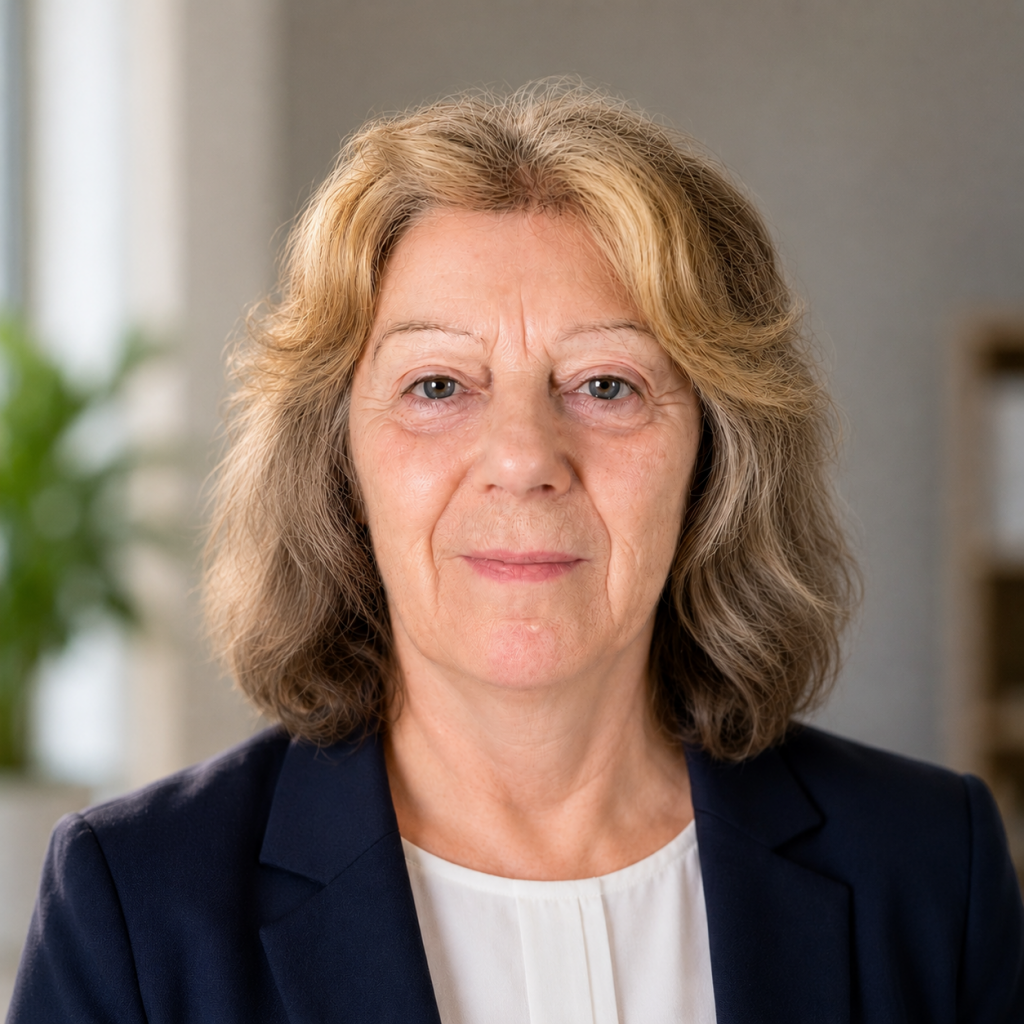
“Creating safe sporting environments is a responsibility shared by every federation. Our collaboration with United Through Sports and initiatives such as this safeguarding webinar demonstrate a common commitment to protecting athletes, raising awareness, and ensuring that sport remains a positive, safe and empowering experience for all participants.”
Dr Julie Gabriel
Making Safeguarding Work in Practice
Daniela Negreda, Managing Partner and Safeguarding Lead at IGNITX, brought the conversation into the reality of implementation, addressing one of the most important challenges facing sport organisations today: the difference between having a safeguarding policy and making it work in practice.
Her contribution moved the discussion beyond good intentions. A policy can only protect people if it is understood, resourced, communicated and supported by a culture that allows concerns to be raised safely. Safeguarding therefore requires capacity, training, leadership and systems that can respond consistently when they are needed.
This message sat at the heart of the webinar. The sporting community is no longer asking whether safeguarding matters. The question now is whether organisations are willing to do the harder work required to make it real.

“Safeguarding in sport has moved beyond the question of whether it is needed. The challenge now is building the systems, capacity and culture to make it effective, and that requires resourcing, training, leadership and an organisational culture where concerns can genuinely be raised and heard.”
Daniela Negreda
Athlete Voice, Inclusion and Power
Noraseela Mohamed Khalid OLY, President of the Malaysian Olympism in Action Society, President of the Malaysia Olympians Association, Managing Director of Sport Values Lab and ISF Disciplinary Committee Member brought an important athlete and leadership perspective, reflecting on the evolution of safeguarding in Malaysia and the development of safeguarding systems through the iLEAP programme. Her contribution showed that safeguarding becomes stronger when athlete experience is placed alongside leadership responsibility and national-level action.
The iLEAP programme, which develops inclusive leadership skills in young athletes across Malaysia, offered a practical model for how safeguarding can be woven into youth sport programming rather than treated as a separate compliance requirement.
Her perspective reminded participants that safe sport is not only about preventing harm. It is also about creating environments where athletes feel respected, supported and empowered to participate fully. Protection and empowerment must work together.
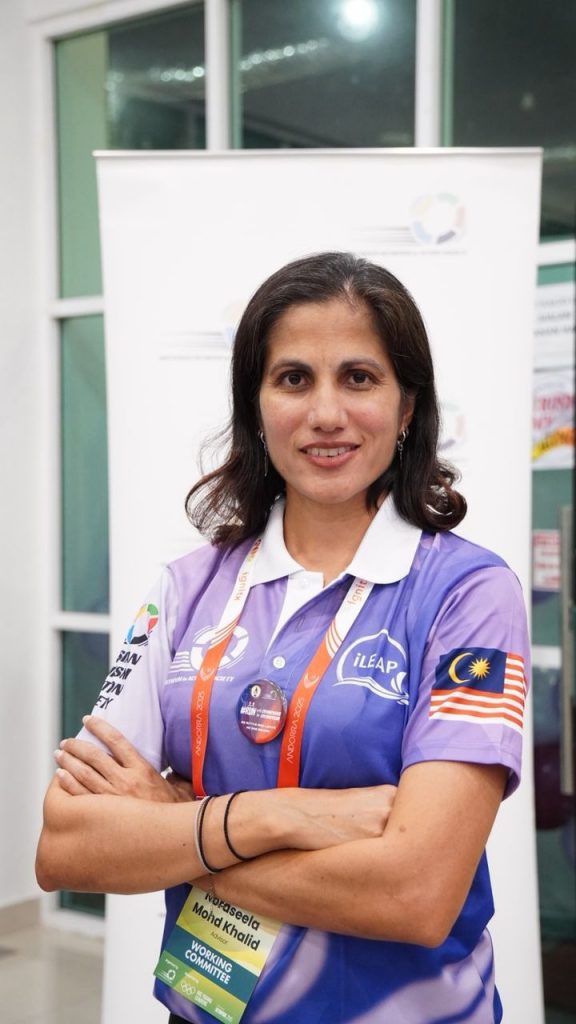
“My personal experience throughout the webinar was that the speakers were really valuable and provided the right insights, experiences, and knowledge. This information is fundamental and important to learn, acknowledge and practice for safeguarding, especially in current real-world situations in sport as well as for the general public in creating a safe environment for healthy living. Perhaps next year or beyond it can be an in-person session at an event you are organising or at collaboration events. I still believe in-person human interaction and practical workshops bring more value and productive results. I am indeed honored to be part of the speakers and touched by some stories and real situations facing the speakers and the real cases of human trafficking. We indeed need the right system in place for safeguarding and IGNITX has the tools and means for it.”
Noraseela Mohamed Khalid OLY
One of the most powerful moments of the webinar came through Ben Haack, Consultant with the Sport Department at Special Olympics International, who joined Julia Govinden for a discussion rooted in lived experience and inclusion.
Ben’s reflections highlighted that safeguarding must work for every participant, including athletes with intellectual disabilities and those who may communicate differently or face additional barriers when trying to speak up. His contribution challenged organisations to ask whether their safeguarding systems are truly accessible, and whether they are designed with the needs of all athletes in mind.
This was a particularly important message for United Through Sports. A safeguarding approach cannot only protect those who are confident, articulate or able to explain a concern clearly. It must also protect those whose voices may be quieter, less recognised or too easily overlooked.

“This webinar was an important real step towards being inclusive and developing real procedures and steps that will be designed to create safeguarding in a way that works for everybody. For me, the fundamentals of safeguarding are very similar to inclusion, that is that we always look to welcome people, treat them with respect and continue to work towards understanding each other.”
Ben Haack
Oliver King, Head of Safeguarding Commission at the Ju-Jitsu Asian Union and Operations Manager at Project Aokas / Inclusive Cambodia, brought attention to another complex safeguarding issue: power imbalance in martial arts.
His session explored the master-student dynamic and the need to ensure that respect, discipline and tradition never become barriers to safety or accountability. In environments where hierarchy can be deeply embedded, safeguarding requires clear boundaries, trusted reporting routes and leaders who model the culture they expect from others.
Oliver’s session challenged participants to examine how deeply embedded hierarchy in martial arts, the master-student dynamic, can become a barrier to safety and accountability when left unquestioned. His message was not that tradition should be abandoned, but that no tradition is above scrutiny, and that respect and safeguarding must be able to coexist.
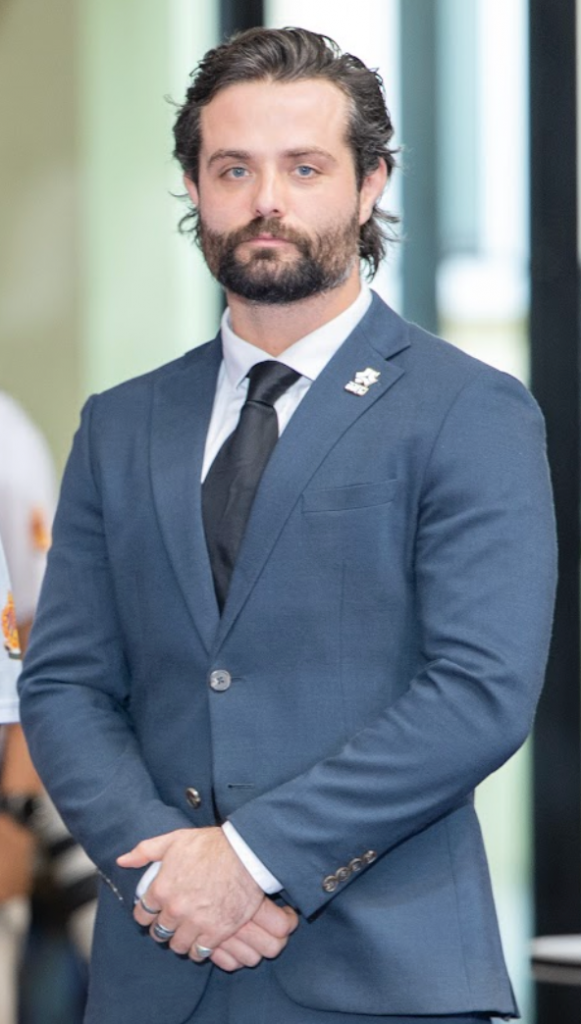
“It was a real pleasure to take part in United Through Sports’ Safeguarding in Sport Global Webinar and join so many passionate people committed to making sport safer for everyone. The conversations reinforced something I strongly believe – safeguarding isn’t just about responding to harm or meeting compliance requirements. It’s about creating a sporting culture where every athlete feels safe, respected, included, and able to reach their full potential.”
Oliver King
Strengthening Our Own Approach
The webinar also allowed United Through Sports to reflect on its own safeguarding journey. Belle Tucker presented on the ongoing update of the UTS Safeguarding Policy, sharing what had been changed, why those changes mattered and what the process had taught.
The update focused on making the policy clearer, stronger and more inclusive. Particular attention was given to children with disabilities, vulnerable people and young people with different communication needs. The policy work also strengthened reporting procedures, clarified escalation pathways, addressed conflicts of interest and connected safeguarding more closely with wider risks such as exploitation and trafficking.
This part of the webinar was important because it showed that safeguarding is not only something UTS asks others to consider. It is also something the organisation is actively reviewing within its own structures. The process reinforced that safeguarding is never truly finished. It requires constant learning, honest reflection and the willingness to keep asking difficult questions.
A Shared Commitment Beyond the Webinar
Across the webinar, a clear message emerged: safeguarding cannot sit quietly in a document. It must be visible in leadership, education, behaviour, reporting systems, partnerships and culture. It must protect those at risk, but also create environments where every participant feels respected and able to belong.
The significance of the webinar was not only that each speaker brought expertise. It was that their perspectives came together to form a fuller picture of what safeguarding in sport now requires. Mission 89 brought attention to trafficking and exploitation. AIMS and FISav showed the role of education and integrity. IGNITX highlighted the operational reality of implementation. Special Olympics brought the importance of lived experience and inclusion. Martial arts leadership raised the issue of power imbalance and culture. United Through Sports reflected on its own responsibility to keep learning and strengthening its systems.
Together, these contributions showed that no organisation can safeguard alone. Protecting young people in sport depends on collaboration, transparency and the courage to act before harm occurs. It also depends on recognising that safeguarding is not a sign of weakness in sport. It is a sign that sport is serious about the people it serves.
As the session closed, participants were encouraged to take the conversation forward: to sign The Line We Don’t Cross, engage with the work of the speakers and partner organisations, and review their own safeguarding policies now, not later.
United Through Sports extends its sincere thanks to all speakers, partners and participants who contributed to this important global conversation.
The webinar may have taken place on the eve of Olympic Day, but its message must continue far beyond it. If sport is to stand for excellence, friendship and respect, safeguarding must be at the centre of how those values are lived.
Protecting young people is not an addition to sport. It is part of what makes sport worthy of their trust.