
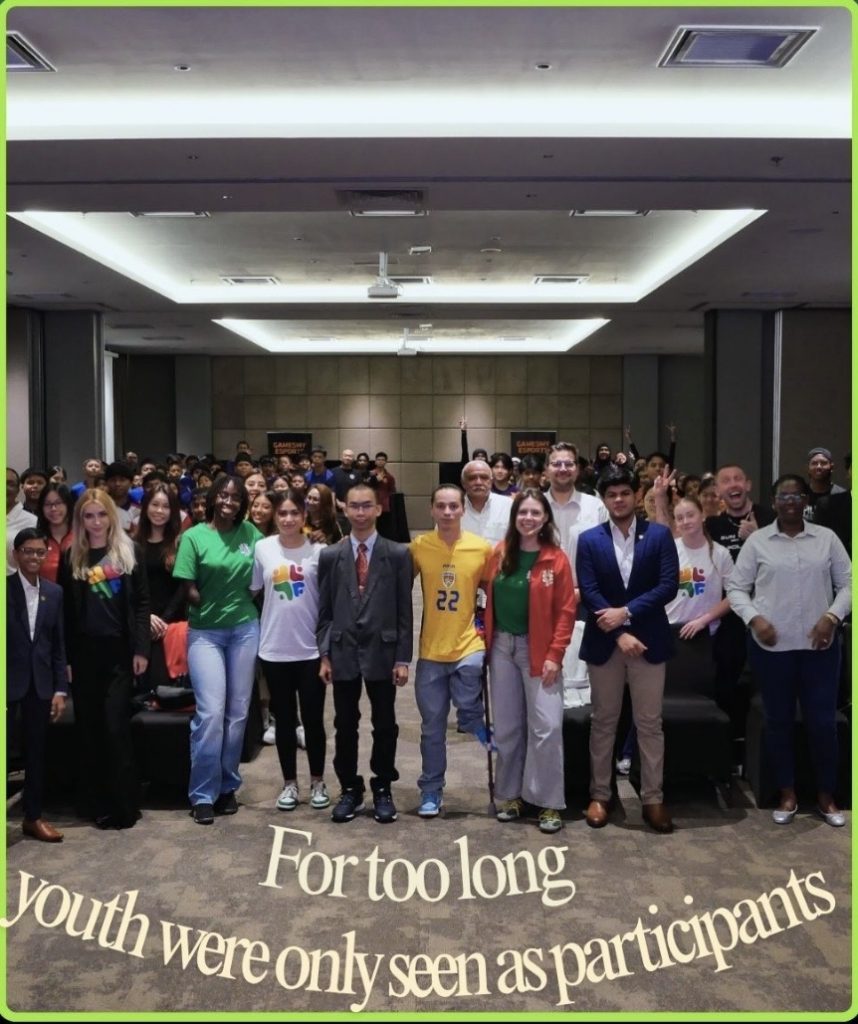
For generations, young people in sport have been described as “the future.” The phrase is repeated constantly across conferences, campaigns and development programmes. Young people are encouraged to participate, to dream, to aspire and to prepare themselves for the future of sport.
But too often, they are still excluded from the spaces where decisions are actually made.
Policies affecting young people are frequently developed without youth voices in the room. Conversations about athlete welfare, inclusion, safeguarding and the future of sport are still commonly led by older generations, while young people remain positioned as participants rather than contributors. Their presence is welcomed, but their leadership is often limited.
United Through Sports is working to challenge that model.
UTS is an organisation for youth, led by youth. This is not simply a slogan or campaign message. It is reflected in the structure of the organisation itself and in the responsibilities entrusted to its Young Leaders.
At UTS, young people are not brought in as symbolic ambassadors or occasional representatives. They are active contributors helping shape the direction of projects, campaigns and international initiatives. Young Leaders are involved in developing education forums, contributing to safeguarding work, coordinating international events, supporting communications, building partnerships, conducting research and creating campaigns designed to engage young people around the world.
This approach recognises something many organisations are only beginning to understand:
Young people are not waiting until the future to make an impact. They are already doing so now.
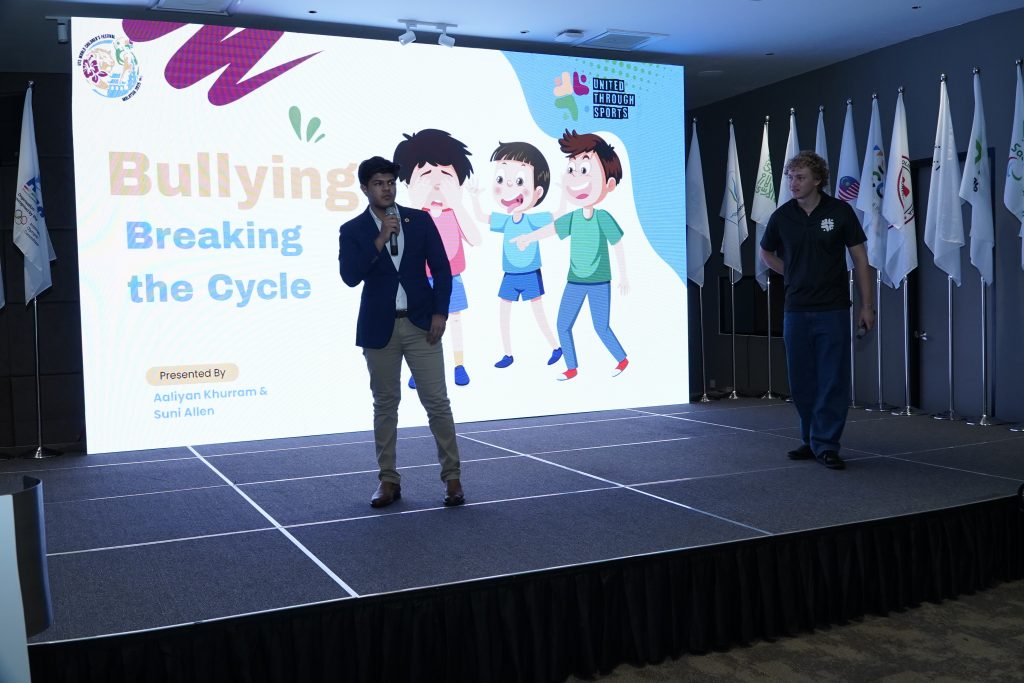
Across UTS programmes and events, Young Leaders play a direct role in shaping discussions around inclusion, athlete wellbeing, safeguarding, accessibility and youth empowerment. They contribute perspectives that cannot be replicated through observation alone. They understand the realities young people face today because they are living them themselves.
That perspective is essential.
Young people understand the pressures created by social media, online environments and modern sport culture. They understand the importance of representation, inclusion and mental wellbeing. They recognise where systems work, but they also recognise where they fail to listen. Their experiences allow them to approach challenges differently, often with a level of honesty, creativity and adaptability that traditional structures can struggle to achieve on their own.
At the same time, youth leadership is not about disregarding experience or expertise. It is about widening the leadership space to include voices that have historically been overlooked. Effective organisations are not built by speaking for young people while excluding them from leadership. They are built by trusting young people with meaningful responsibility and allowing them to actively contribute to the direction of the organisation.
This is crucial within the sport pyramid.
Sport is often described as a vehicle for development, inclusion and social change. However, these values cannot exist only on the field of play. They must also exist within the structures behind sport itself. If organisations want young people to believe they belong in sport, they must also show that young people belong within leadership, decision making and governance spaces.
At UTS, this belief is reflected through our actions.
Young Leaders are trusted with core responsibilities, diverse projects and real opportunities to contribute. Their ideas are taken seriously. Their voices are heard. Their work contributes to centrally shaping initiatives that impact young people internationally.
This creates something far more meaningful than youth participation alone. It creates ownership.
When young people are trusted to lead, they become more invested in the communities and programmes they help build. They gain confidence not only in their own abilities, but in the idea that sport can genuinely be a platform where their voices matter.
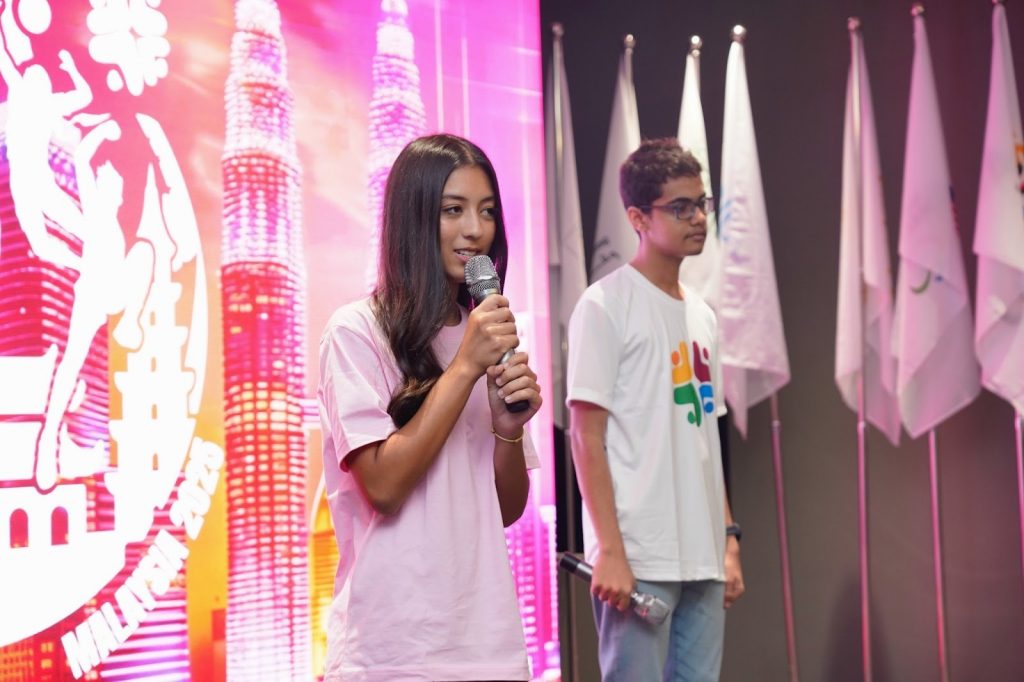
The growing role of Young Leaders within UTS also reflects a broader shift taking place across international sport and civil society. Younger generations are increasingly asking organisations to move beyond performative inclusion and towards genuine collaboration. They want to contribute ideas, shape conversations that affect them directly.
UTS believes that shift is paramount and necessary.
The future of sport cannot be built solely through top down leadership structures that leave young voices on the sidelines. It must be built collaboratively, with young people recognised not simply as beneficiaries of programmes, but as leaders capable of shaping them.
Young people are no longer only participants in the story of sport. They are helping to lead it.