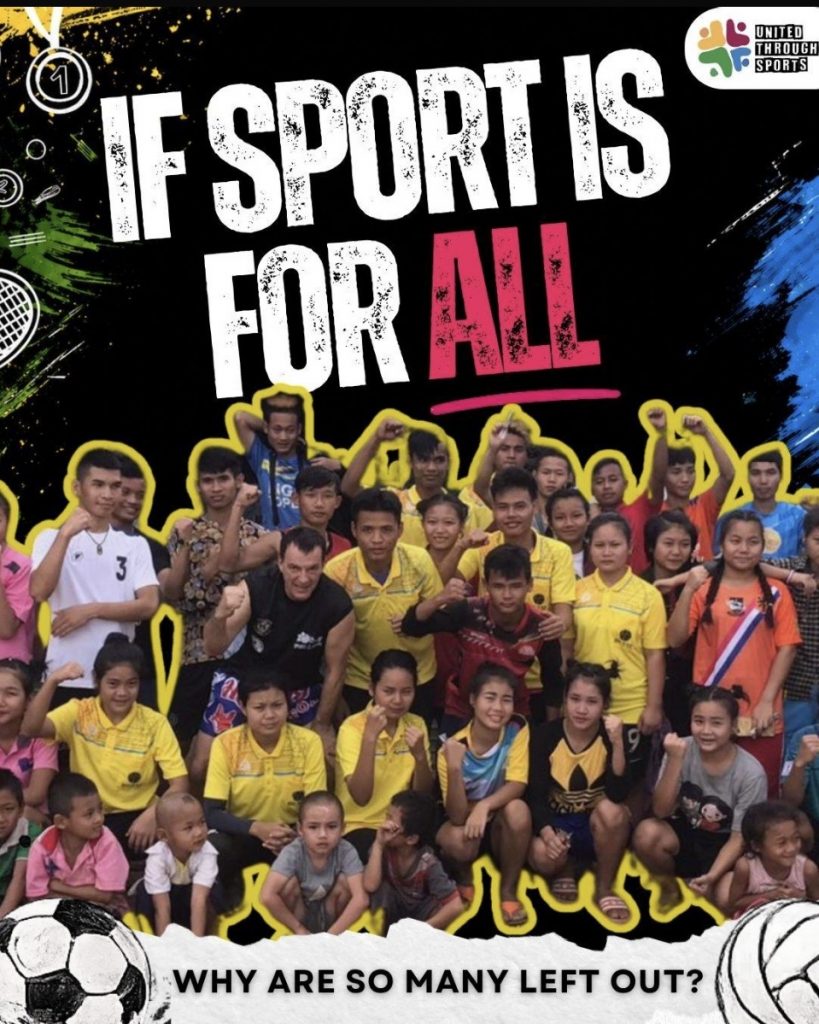
Sport is meant to be one of the few spaces that belongs to everyone. It is where differences are put aside, where people come together, where opportunity is supposed to be equal. That is the story we are told.
But for many young people, that story does not match their reality.
For some, the barrier is immediate. The cost of equipment, club fees, travel and facilities adds up quickly, and for families already under pressure, sport is not always possible. It is not a lack of interest that keeps young people away, it is the simple fact that access comes at a price.
For others, the barrier is less visible but just as limiting. In some communities, sport is not seen as a space for everyone. Girls, in particular, may be discouraged from taking part, not because they cannot, but because they are not expected too. These messages are often unspoken, but they shape who feels welcome and who does not long before participation even begins.
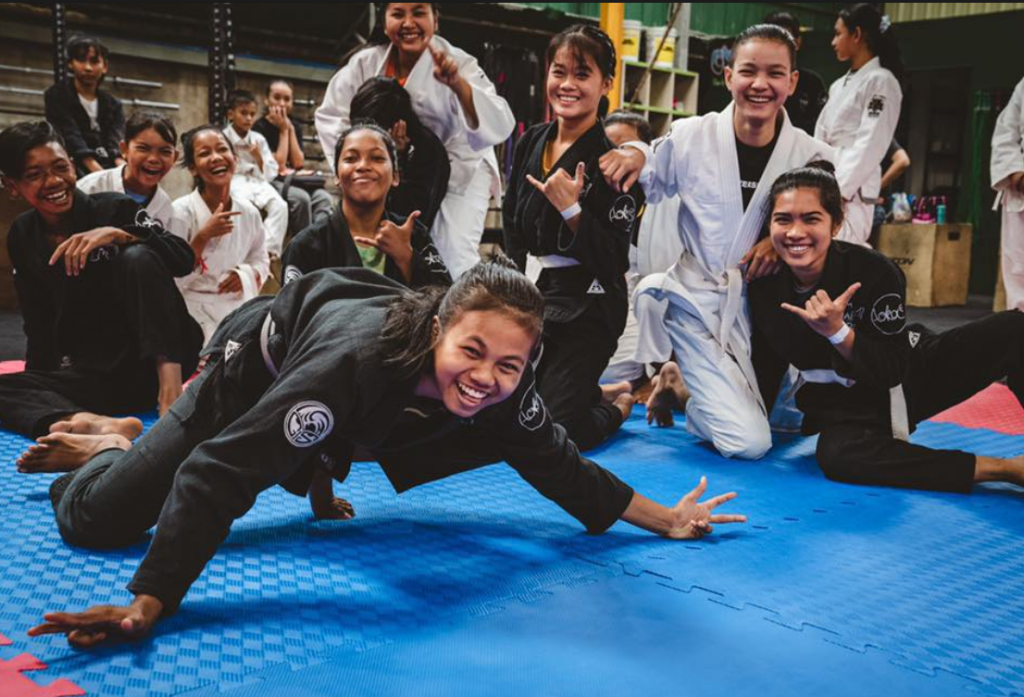
Then there is the question of place. Where a young person grows up can determine whether sport is even an option. In some areas, there are no safe spaces, no equipment, no organised opportunities. In others, facilities exist, but not for everyone. Migrants may struggle to navigate systems they are unfamiliar with. Young people with disabilities often face environments that were never designed to include them. Others are held back by responsibilities at home, or by experiences in school that make sport feel like another space where they do not belong.
What becomes clear is that many young people are not stepping away from sport by choice. They are being left out.
And when that happens, the impact goes further than just missing out on being active. Sport is often where young people build confidence, form friendships and begin to feel part of something. Without it, those opportunities become harder to find, and over time that absence starts to show.
It shows in how young people see themselves. It shows in whether they feel they belong.
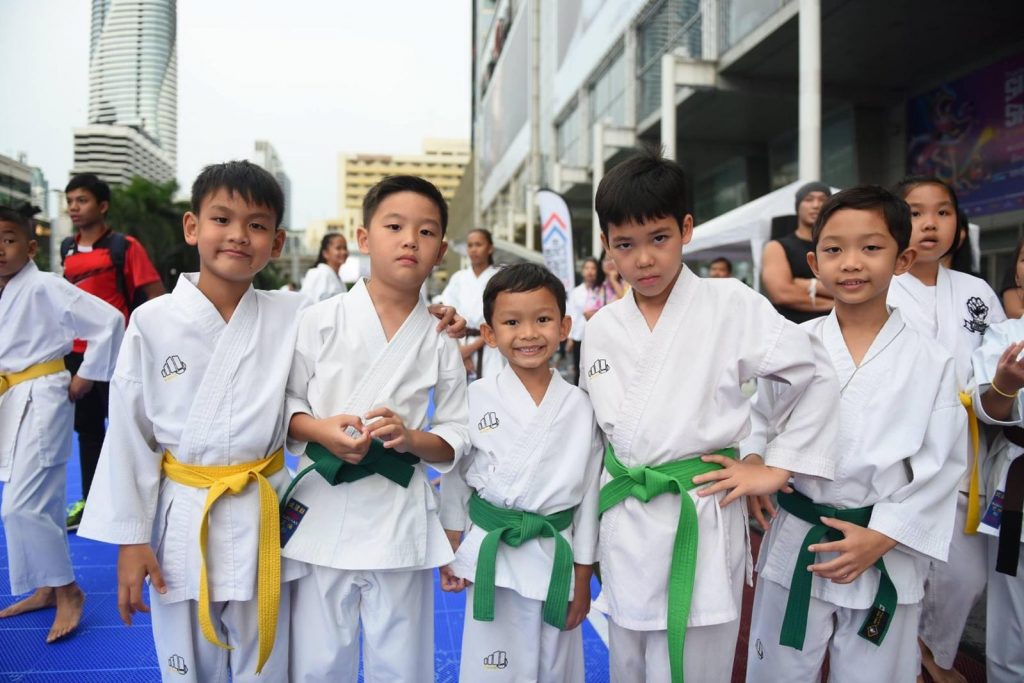
It also shows in how they cope. Being active is closely linked to lower levels of stress and anxiety, something highlighted by the World Health Organization. Without access to sport, young people lose one of the few spaces where they can switch off, reset and manage what they are dealing with.
In places where sport is not available, the absence is not always obvious. If young people have never had the chance to take part, they may not realise what they are missing. The confidence, the routine, the sense of belonging, these are not things they have lost. They are things they were never given.
For those who do have access, the difference is clear. Sport becomes more than an activity. It becomes a space where young people can show up, be seen and feel included. It might start small, just turning up, but over time it builds into something much bigger. Confidence grows. Connections form. It becomes something they rely on. It also gives young people a way to deal with everything else. Stress, pressure, uncertainty, none of it disappears, but sport gives them somewhere to put it. A place where they can focus, release it and move forward.
And then there are the lessons that stay long after the game ends. Learning how to work with others, how to handle setbacks, how to keep going when something is difficult. These are not just sporting skills. They shape how young people move through the world. Organisations such as the International Olympic Committee and UNESCO continue to point to the role sport plays in building confidence, resilience and social skills that extend far beyond the field.
Yet even where access exists, it is not always equal.
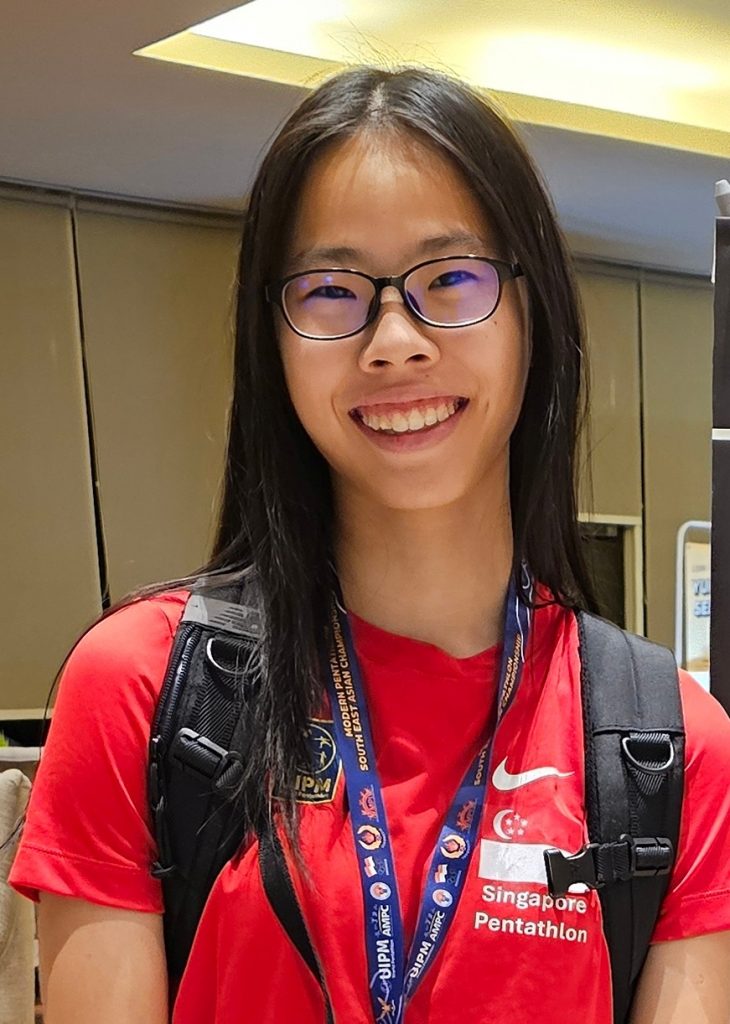
Kyra, a Young Leader from United Through Sports (UTS) based in Singapore, describes a system where, at first glance, sport appears widely available. “Sport is quite accessible at a basic level,” she explains, pointing to school programmes, community clubs and public facilities that give most young people the chance to try different sports.
But that accessibility does not always last.
“There’s a noticeable drop in support unless you’re already performing at a very high level,” she says. As young people try to progress, opportunities begin to narrow. Coaching, funding and competition pathways become harder to access, particularly for those who are still developing and have not yet reached elite level.
This creates a gap, not at the point of entry, but in what comes next. Young people are given the chance to take part, but not always the support to continue.
Kyra also highlights how this is even more challenging for persons with disabilities. While programmes exist, inclusion often remains separate. “There are still limited opportunities for them to interact and play together with the abled community,” she notes, adding that this can make sport “feel more separated than inclusive.”
A similar experience is reflected by Benjamin Lee, a Young Leader from UTS and a para chess player in Malaysia. As a visually impaired athlete, his connection to sport goes beyond competition. It is about mental growth and connection. Yet even in a sport like chess, where physical barriers are less obvious, access is not always guaranteed.
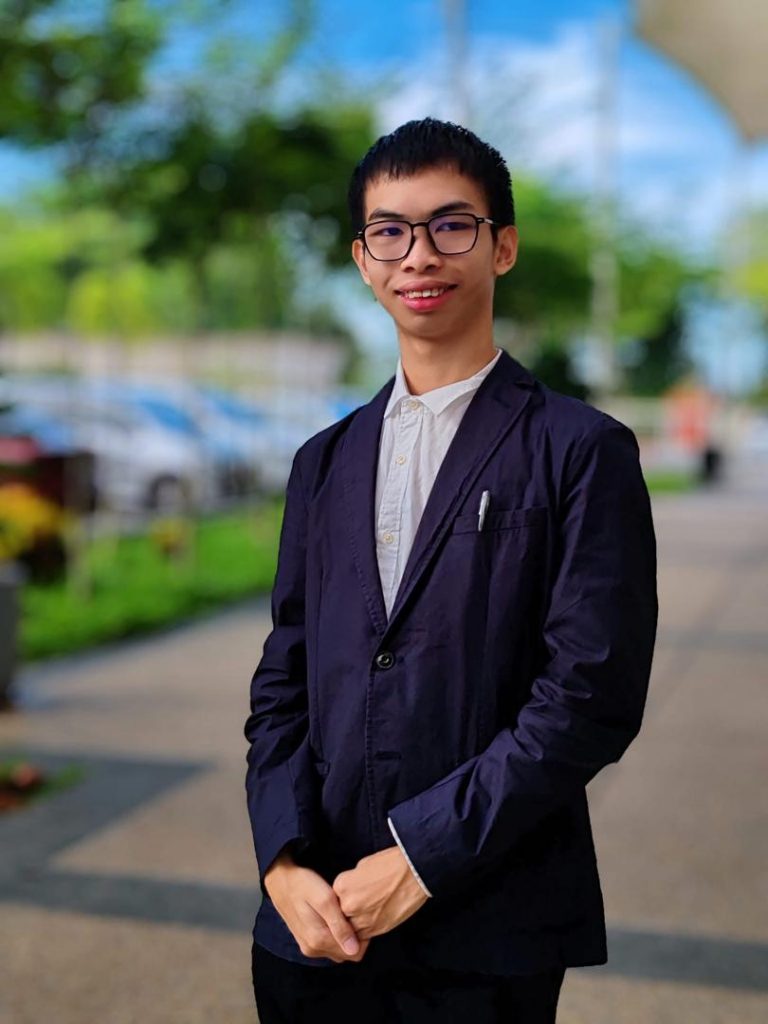
“One barrier is the lack of inclusive support, such as adapted equipment and trained coaches,” he explains. Without these, participation becomes more difficult, even when interest and ability are there.
But for Benjamin, inclusion is not just about access. It is also about the environment. “Inclusivity is not just about access, but also feeling welcomed and respected,” he says, pointing to the role that understanding and awareness play in shaping whether young people feel comfortable taking part.

Looking ahead, both perspectives point to the same issue. Access alone is not enough. Stronger pathways, better support for developing athletes and more inclusive environments are needed to ensure that sport is not only open, but genuinely accessible.
What this highlights is not a lack of effort, but a gap. A gap between access and opportunity. Between being allowed to take part and being supported to continue. If sport is going to live up to what it claims to be, that gap cannot be ignored. Inclusion cannot be something that is added on later or considered once systems are already in place. It has to be built in from the start.
Because sport does have the potential to offer something powerful. It can create connection, build confidence and give young people a sense of direction. But that potential only matters if it is shared.
If sport is truly for all, then it cannot stop at the idea of access. It has to extend to opportunity, to inclusion and to belonging.
Otherwise, it is not for all. It is just for some.