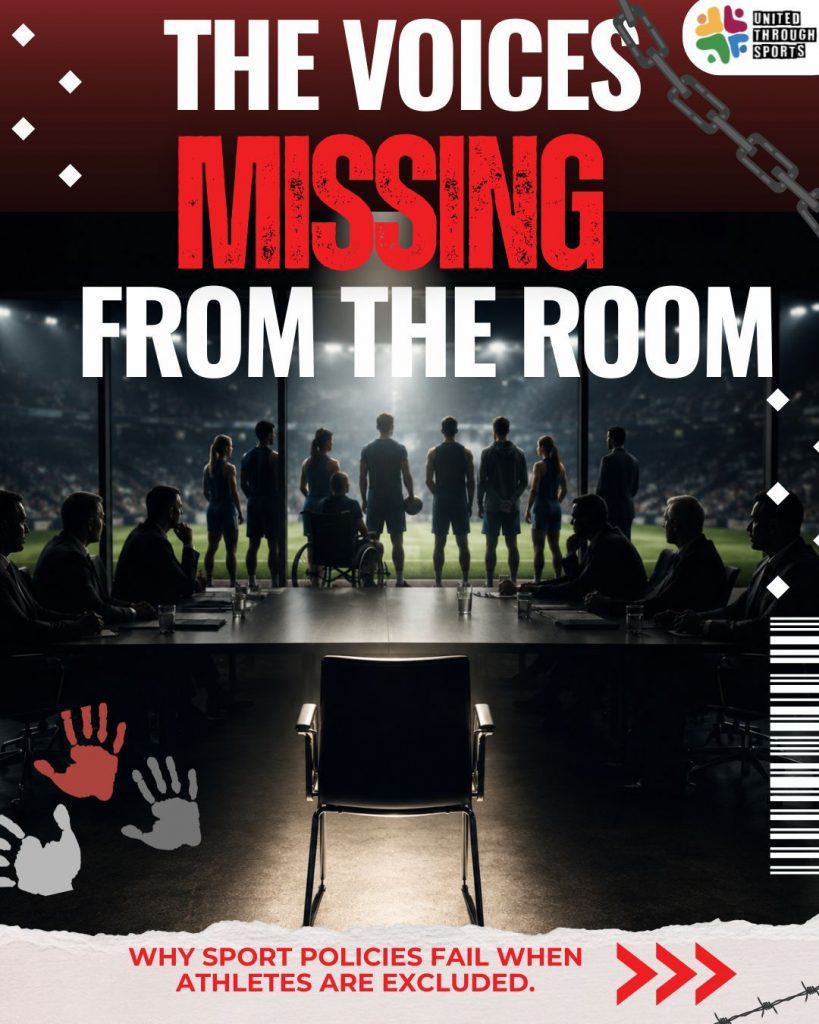
The meeting starts as it always does. A long table. Laptops open. Papers neatly stacked. Everyone in the room is experienced, qualified, confident in what they are there to say. They are here to design a policy on athlete well-being.
The conversation moves quickly. Safeguarding procedures are discussed. Reporting systems are mapped out. Language is carefully chosen. On paper, everything is thorough, considered, complete.
But as the discussion continues, something becomes clear.
Not a single young athlete is in the room.
It is a crucial detail, yet easy to overlook. The people present are experts. They understand policy, governance and structure. They know how systems should work. But they do not know what it feels like to rely on them.
The Absence we have Normalised
Across sport, this is not unusual. Safeguarding frameworks are often designed for athletes without athletes. Inclusion strategies are built for disabled communities without disabled voices in the room. Welfare policies are shaped around experiences that no one present has actually lived. It is rarely intentional. More often, it is the result of habit, urgency, and a long-standing belief that expertise alone is enough.
But this is where things begin to break down.
Safeguarding highlights this gap clearly. When systems fail, the response is often to strengthen policy, refine procedures and introduce more structure. Yet many safeguarding failures are not failures of policy, but failures of understanding. When reporting systems are designed without input from those who may need to use them, they reflect assumptions rather than reality. A process might rely on written forms, assume confidence in reporting, or depend on environments where individuals feel safe to speak. For an athlete with autism , a young refugee or an athlete who is deaf, those assumptions can become barriers.
Support may exist, written clearly into policy, but it remains out of reach because it was never designed with those experiences in mind. This reflects wider findings from the World Health Organization, which emphasise that safeguarding systems must be accessible and trusted if they are to be effective.
The same pattern exists beyond safeguarding. In governance and decision-making spaces, representation remains limited despite growing commitments to inclusion. Many sport organisations still operate without meaningful athlete representation, particularly from those with disabilities. Work supported by UNESCO highlights the importance of participatory governance, yet in practice, the people most affected by policies are often the least involved in shaping them.
Over time, this absence has become normalised, and when something becomes normal, it stops being questioned.
The Credibility Gap
This is where the gap between intention and reality begins to widen. Organisations continue to speak about inclusion, athlete-centred approaches and safeguarding. The language is there. The messaging is clear. But when those words are not reflected in who is actually in the room, the disconnect becomes difficult to ignore.
There is a difference between speaking about experience and speaking from it.
That difference is not always visible, but it is felt. It appears in the spaces where athletes do not engage with systems designed for them, where processes exist but are not used, and where support is available but does not fully reach the people it is meant for. Over time, this creates a credibility gap between what organisations claim and what athletes experience. When lived experience is missing, policies can be technically strong and still fail in practice. They can meet every requirement on paper and still fall short in reality. What they lack is not structure, but understanding.
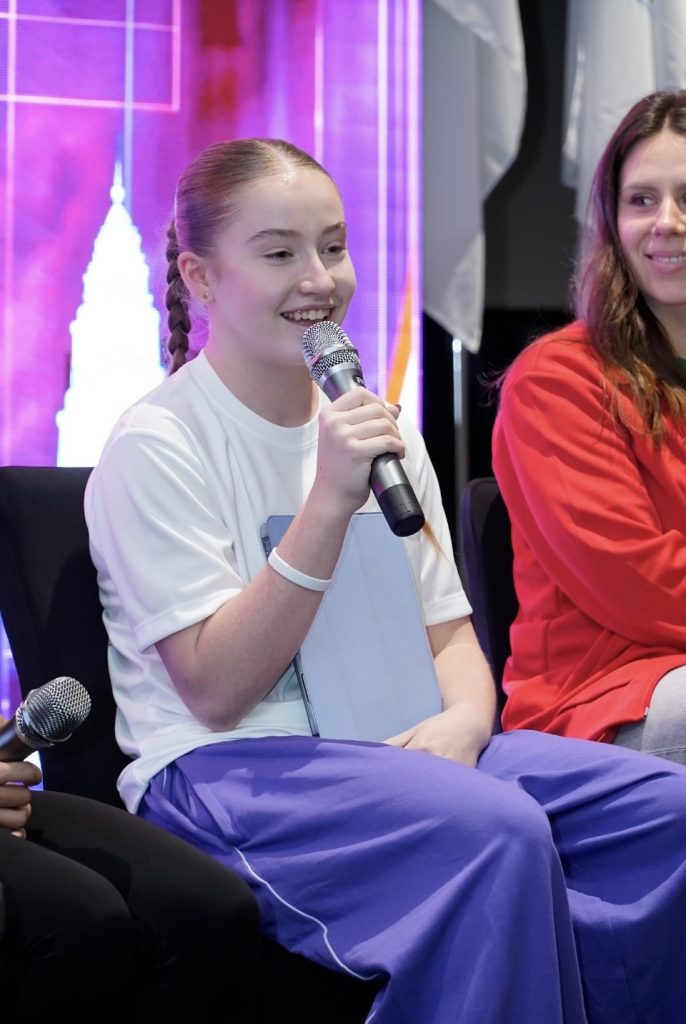
However, when that missing voice is brought into the room, the shift is immediate. Conversations become more grounded, and assumptions are challenged through direct experience rather than theory. Problems that once seemed complex begin to look different, not because they are simple, but because they are finally being understood properly. Recent IOC-supported research on safeguarding and interpersonal violence in sport increasingly emphasises athlete centred approaches and the importance of integrating diverse perspectives in creating systems that are trusted and effective in practice (International Olympic Committee, 2024).
The impact goes beyond better policies. Safeguarding processes become easier to navigate, inclusion strategies begin to reflect real experiences, and systems start to feel usable rather than theoretical. Trust, which is often difficult to build and easy to lose, begins to develop when people feel that their experiences are shaping the decisions being made.
When young people, disabled athletes and those with lived experience are part of decision making, they are no longer just the subject of policy. They become part of creating it.
That shift matters.
It changes the dynamic from being spoken for to being heard.
Listening in Practice
There are examples of what this looks like in practice. At United Through Sports, listening is part of how programmes are built, not something added at the end. We ask people what they actually experienced before, during and after events. What worked, what did not, and what we missed.
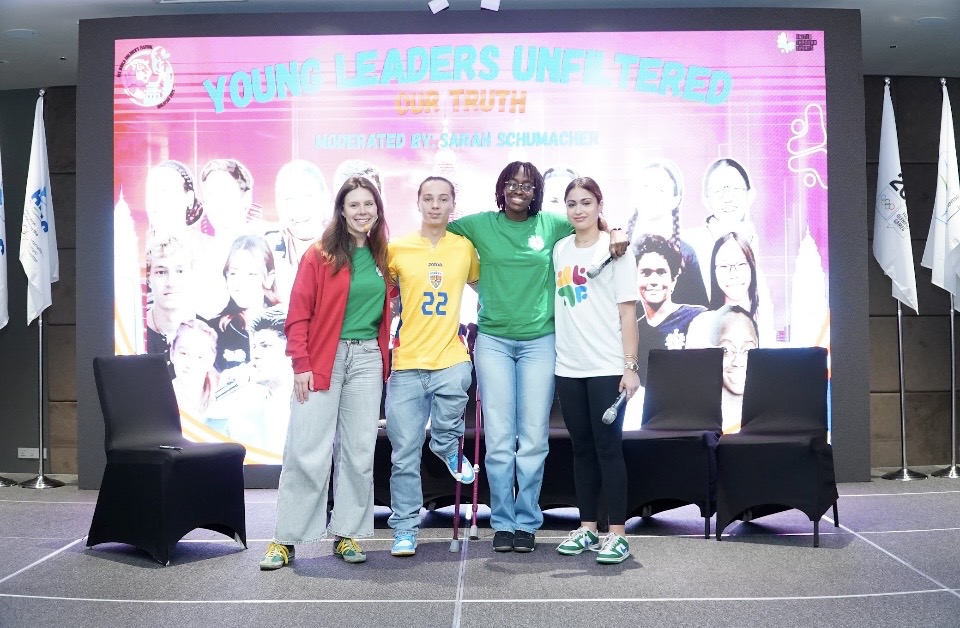
That feedback matters because it changes what happens next. It helps shape our policies, adapt our education forums and improve the way future programmes are delivered. It means the voices of participants, young people and partners do not just sit in a report somewhere. They influence the work. It also means learning from the organisations around us. Partners such as Special Olympics, the International Paralympic Committee and Mission 89 bring knowledge and experience that help make our programmes stronger. Their perspectives help us think differently, especially when building events, forums and initiatives that are meant to include people from different backgrounds, abilities and experiences.
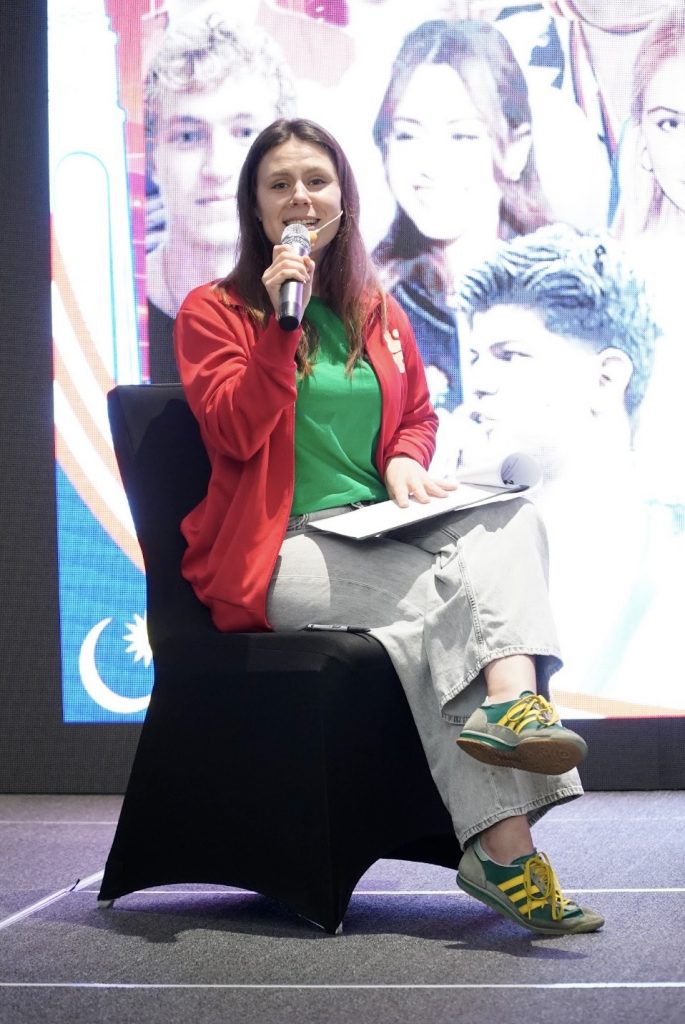
Most importantly, it means listening to young people themselves. Through initiatives such as “The Line We Don’t Cross” campaign created by Mission 89 and United Through Sports, young leaders are invited to give feedback, raise concerns and point out what we may not have considered. That is where real inclusion starts: not when young people are spoken about, but when they are trusted enough to help shape the conversation.
The future of sport does not depend on creating more policies, but on who is involved in creating them.
When the right voices are in the room, systems become more effective, more accountable and more reflective of the communities they are meant to serve. Inclusion, in this sense, is not only about access, but about ownership. And until the people most affected by decisions are consistently included in making them, the gap between intention and reality will remain.
References:
International Olympic Committee, ‘IOC Publishes New Consensus Statement on Safeguarding and Interpersonal Violence in Sport’, 25 November 2024, https://olympics.com/ioc/news/ioc-publishes-new-consensus-statement-on-safeguarding-and-interpersonal-violence-in-sport.