A World Youth Skills Day Reflection from United Through Sports
Every day, millions of young people walk onto a field, court, track, pool, dojo or community space believing they are simply going to play sport.
What they often do not realise is that they are also entering one of the world’s most powerful classrooms.
Long before they step into a university lecture hall or their first workplace, sport is already teaching them how to communicate, solve problems, manage pressure, lead others, recover from failure and work alongside people from different cultures and backgrounds. These are not lessons found only in textbooks. They are learned through experience, challenge, teamwork and perseverance.
As the world celebrates World Youth Skills Day on 15 July, under the United Nations theme Skills for a Shared Future, it is worth asking an important question:
What if sport has been educating young people all along?
Learning Through Experience
When we think about education, we often imagine classrooms, teachers, examinations and qualifications. These remain essential, but they represent only one part of how young people learn and develop.
Some lessons can be explained. Others must be experienced.
Sport places young people in situations where they must make decisions, respond to pressure and take responsibility for their actions. A training session requires discipline and concentration. A team must communicate and work towards a shared objective. An athlete who does not achieve the result they hoped for must decide how to respond. These moments turn resilience, leadership and teamwork into lived experiences. Young people are not simply told why these qualities matter. They understand them through their successes, mistakes and relationships with others.
This is what makes sport such a powerful learning environment. The lesson is personal and often remembered long after the match has ended. Sport teaches young people that progress does not always follow a straight line. There will be victories, but there will also be setbacks and moments of disappointment. Learning how to manage these experiences can be just as important as learning how to win. Success can build confidence while teaching humility and respect for the contribution of others. Defeat can encourage reflection and reveal where improvement is needed. When a mistake is made during competition, the athlete must regain focus, continue participating and learn from what happened.
These experiences help young people understand that failure does not have to define their ability. It can become part of a longer process of growth. That lesson reaches far beyond sport. The ability to respond constructively, adapt and continue moving forward is one of the most valuable skills a young person can develop.
Preparing Young People for the Future
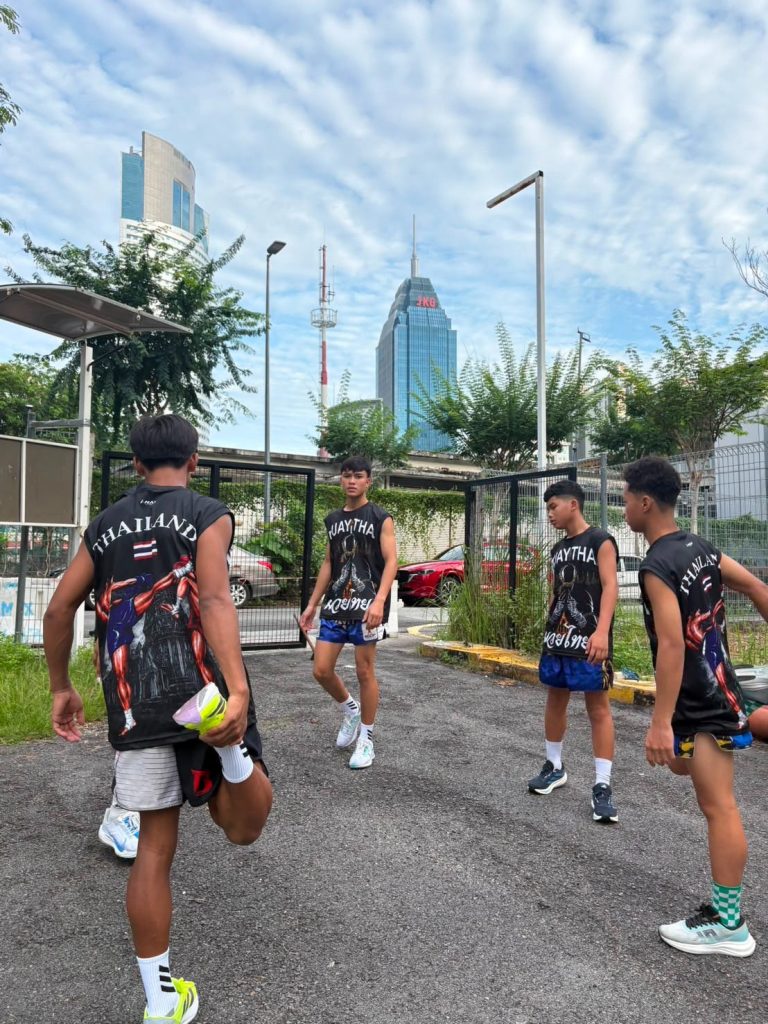
World Youth Skills Day draws attention to the importance of preparing young people for employment, entrepreneurship and meaningful participation in society.
Technical knowledge will remain important, but young people also need the confidence to communicate, the ability to work with others and the judgement to respond when circumstances change. This is precisely what this year’s theme recognises: a shared future depends on skills that connect people, not only skills that qualify them. These qualities are difficult to develop through theory alone. Sport offers repeated opportunities to practise them. A team cannot function without communication, competition requires preparation and leadership depends upon responsibility towards others. Even individual sports are built upon relationships with coaches, officials, volunteers and fellow competitors.
Through these experiences, young people discover how they respond under pressure, how their behaviour affects others and what can be achieved through patience and consistent effort. For some, sport becomes the first place where they feel confident enough to speak. For others, it is where they first learn to lead, support a teammate or accept responsibility for a shared outcome.
An International Space
Sport also creates a form of learning that can cross borders.
At international events, young people may arrive focused on their own performance, but the experience quickly becomes much broader. They meet people whose languages, traditions and experiences differ from their own. They learn how to communicate beyond familiar surroundings and build relationships through shared purpose.
Sport does not remove differences. It creates a space in which young people can encounter and understand them. A competitor becomes someone to respect. A teammate becomes someone to support. A conversation with another young person can challenge an assumption or introduce an entirely new perspective. These experiences develop cultural awareness and show that inclusion is not simply about bringing different people into the same space. It is about ensuring that everyone is respected, supported and able to contribute.
In this way, sport becomes a classroom without walls, with the world itself forming part of the lesson.
Turning Participation into Education
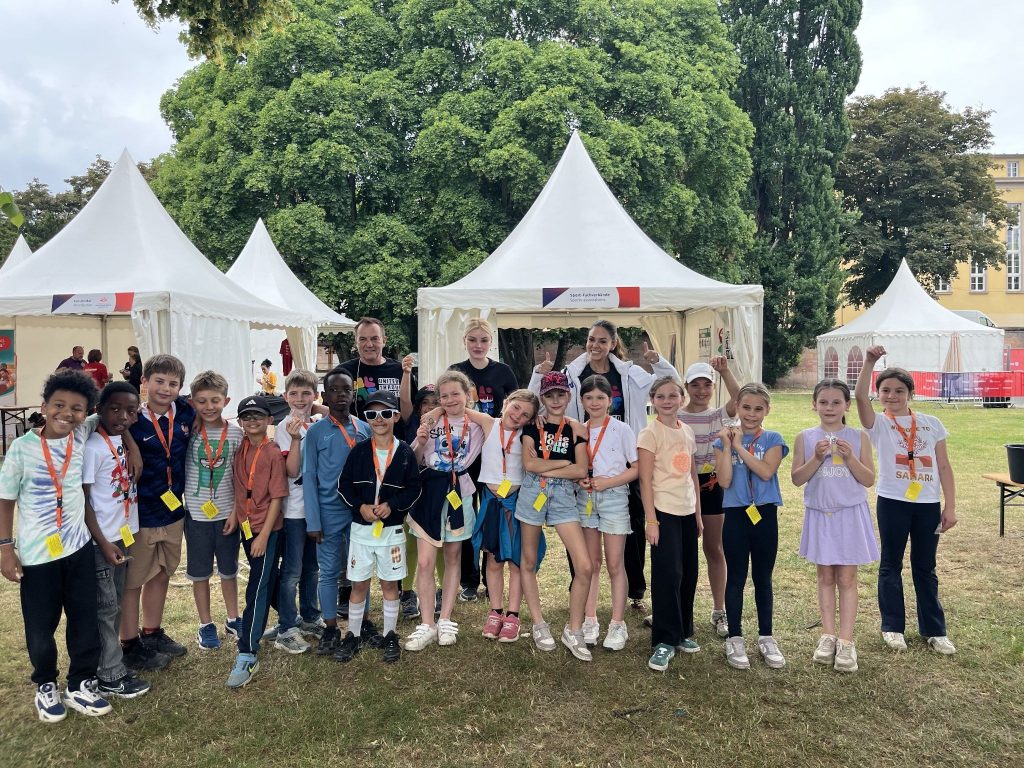
At United Through Sports, this understanding shapes how sport is used as a platform for youth development. Bringing young people together is only the beginning. The greater opportunity lies in what they are trusted and encouraged to do once they arrive.
Through education forums, youth-led discussions, cultural exchanges and international events, young people examine issues affecting both sport and society. They contribute to conversations about safeguarding, inclusion, integrity and leadership. They may speak before an international audience, collaborate with peers from different countries or represent the experiences of other young people. These opportunities require young people to listen carefully, communicate their ideas and consider perspectives beyond their own. They learn that leadership is not defined only by a title. It is demonstrated through preparation, respect, accountability and a willingness to act in the interests of others.
This is not a theory. Just weeks ago, three young members of the UTS team travelled to Kuala Lumpur to support two world championships for the first time, working across media, logistics and event operations. They returned with exactly the skills this day celebrates: adaptability, communication, resilience and confidence under pressure. Around the world, UTS Young Ambassadors are doing the same, turning participation into leadership in their own communities.
Safeguarding education is also part of this learning. Understanding personal boundaries, recognising inappropriate behaviour and knowing how to seek support help young people contribute to sporting environments that are safe, respectful and inclusive. This is how sport moves beyond activity and becomes education. The playing field may bring young people together, but it is the responsibility, dialogue and trust placed in them that allows learning to continue.
Through its programmes and events, United Through Sports creates environments in which young people are not viewed only as athletes or participants. They are recognised as individuals with experiences, ideas and the ability to contribute to their communities.
When young people are given responsibility and supported in using their voices, they understand that they do not have to wait until adulthood to create change. They can begin leading, learning and contributing now.
The World’s Biggest Classroom
On World Youth Skills Day, we celebrate the importance of giving every young person the opportunity to develop the skills needed to shape a positive future.
Sport must be recognised as part of that education.
Across the world, young people are learning every time they train, compete, collaborate, recover from disappointment or encounter someone whose experience differs from their own.
There may be no classroom walls, examination or certificate to confirm what has been learned.
Yet the lessons are real.
Every playing field can become a classroom.
Every challenge can become an opportunity to grow.
And every young person should have the chance to discover where those lessons can take them.
Because a shared future is not built in lecture halls alone. It is built wherever young people learn side by side, and sport gives them that chance every single day.