International Day of Sport for Development and Peace
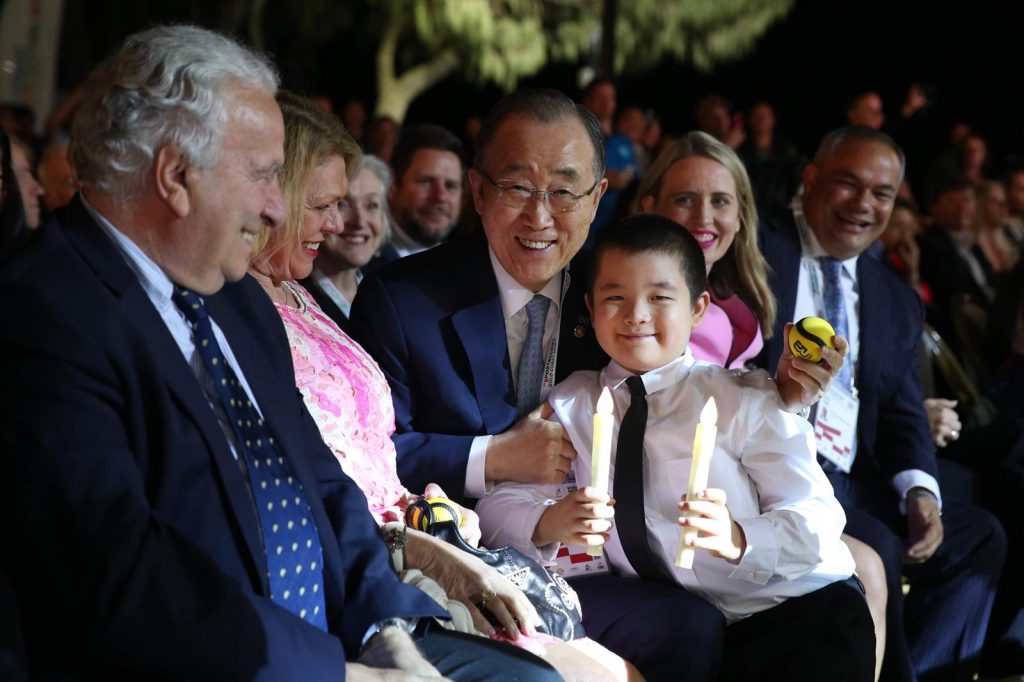
On April 6, UTS reflects on the years of uniting the Olympic, Paralympic and Special Olympics movements, and why genuine inclusion requires more than an open door.
On April 6, the International Day of Sport for Development and Peace offers a moment to reflect on what sport represents beyond competition. In 2026, the theme “Sport: Building Bridges, Breaking Barriers” feels particularly relevant in a world where division and inequality continue to shape everyday realities. Sport has long had the ability to bring people together, but its role today carries more weight. It creates shared experiences between people who may never otherwise meet, allowing connection without the need for a common language. In those moments, differences do not disappear, but they stop acting as barriers.
There is also a growing understanding that sport is not simply a positive force by default. Its impact depends on how it is structured, delivered and protected. Around the world, sport is increasingly being used in intentional ways: to support healthier communities, to open opportunities for those who are often excluded, and to create environments where people feel genuinely included. These outcomes are not accidental. They require thought, responsibility and a willingness to look beyond participation numbers alone.
A historic unity in the making
United Through Sports is the only organisation in the world to have united the International Olympic Committee, the International Paralympic Committee and Special Olympics International under one roof, in one event, serving the same young people. That achievement, first realised in Bangkok in 2018, has not been a one-time occasion. It has been repeated, refined and expanded across each festival, on five continents. Across its editions, UTS has positively impacted hundreds of thousands of young lives, worked with 157 global partner organisations, and brought together more than 90 world and international sport leaders.
What a UTS festival actually looks like
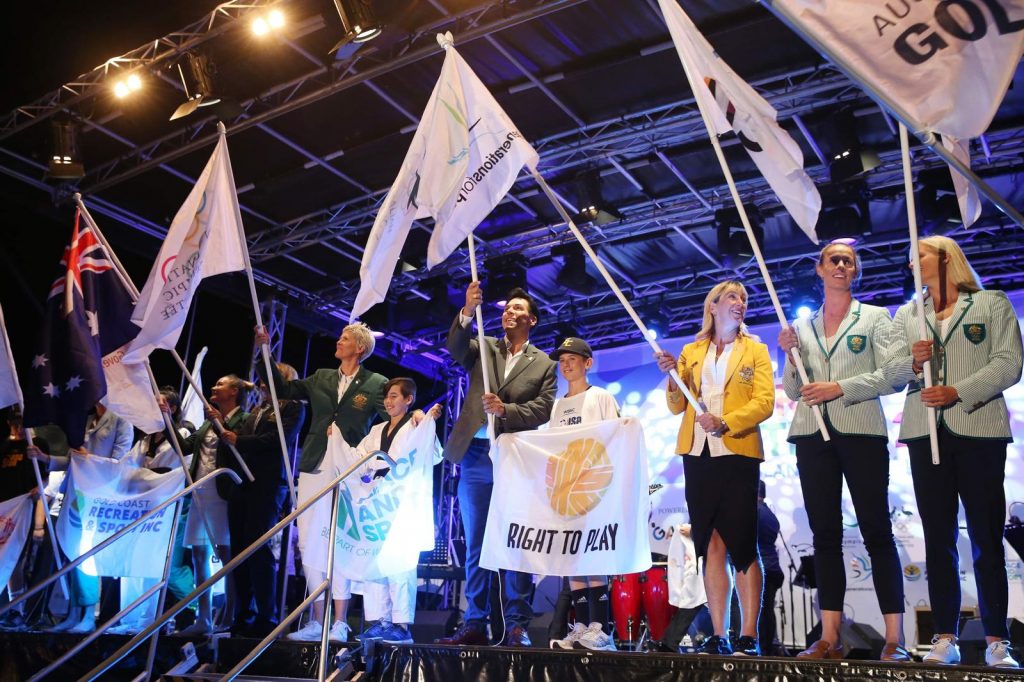
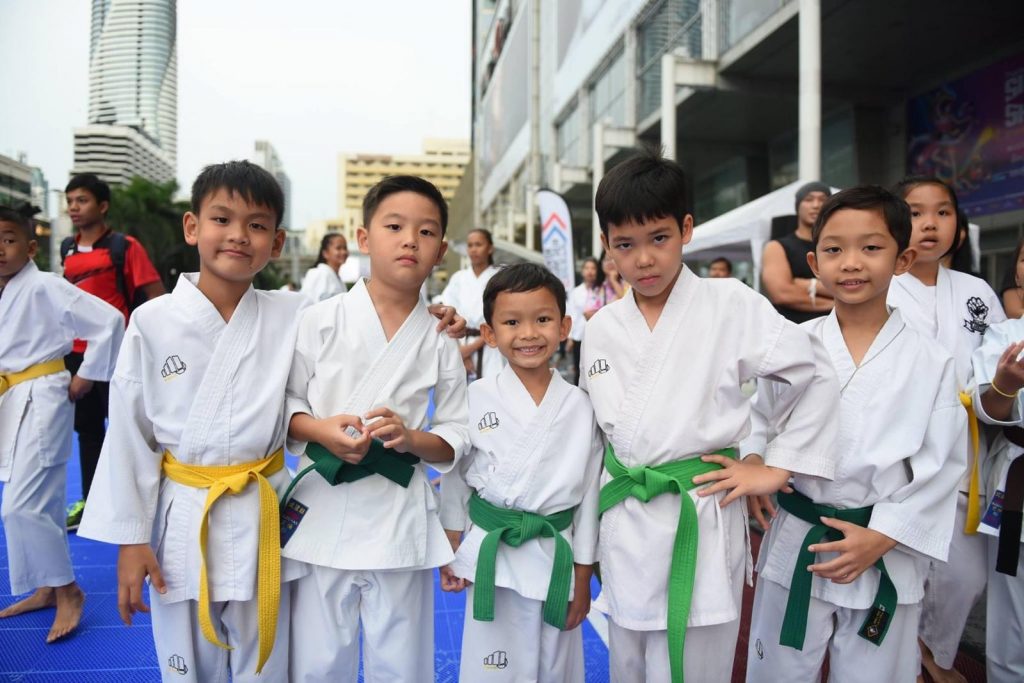
A UTS World Youth Festival is unlike most events in international sport. On a single day, you will find Paralympic athletes participating alongside Special Olympics unified teams, martial artists next to e-sports competitors, and chess players beside rock climbers, all part of one festival, all celebrated equally. The breadth of education and sport on offer is intentional: inclusion means that no young person faces judgement or discrimination regarding their discipline, ability, or background.
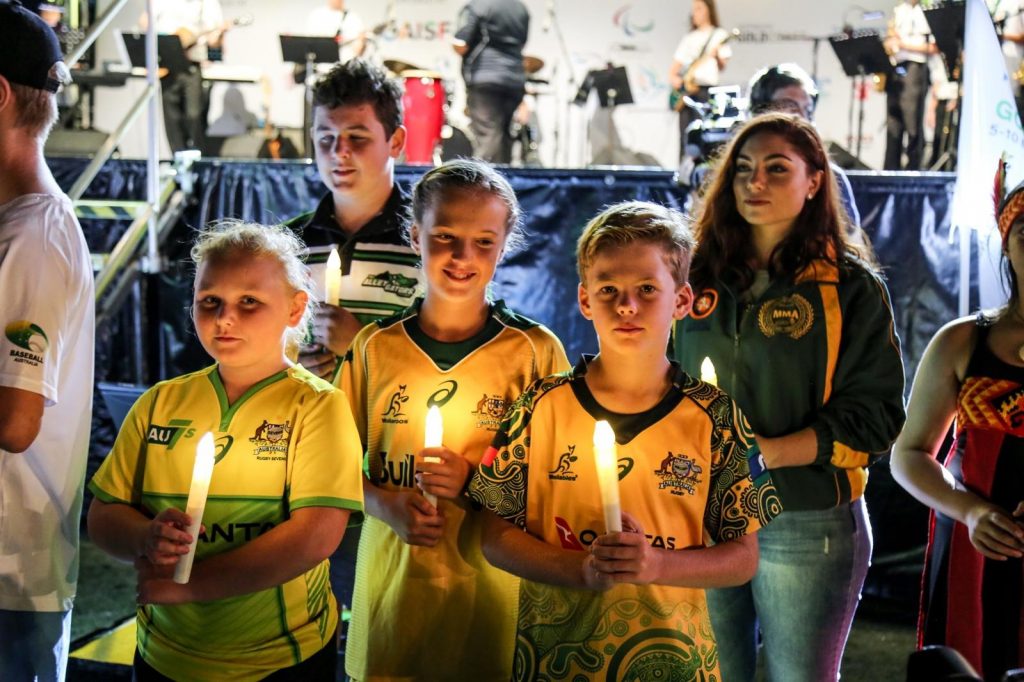
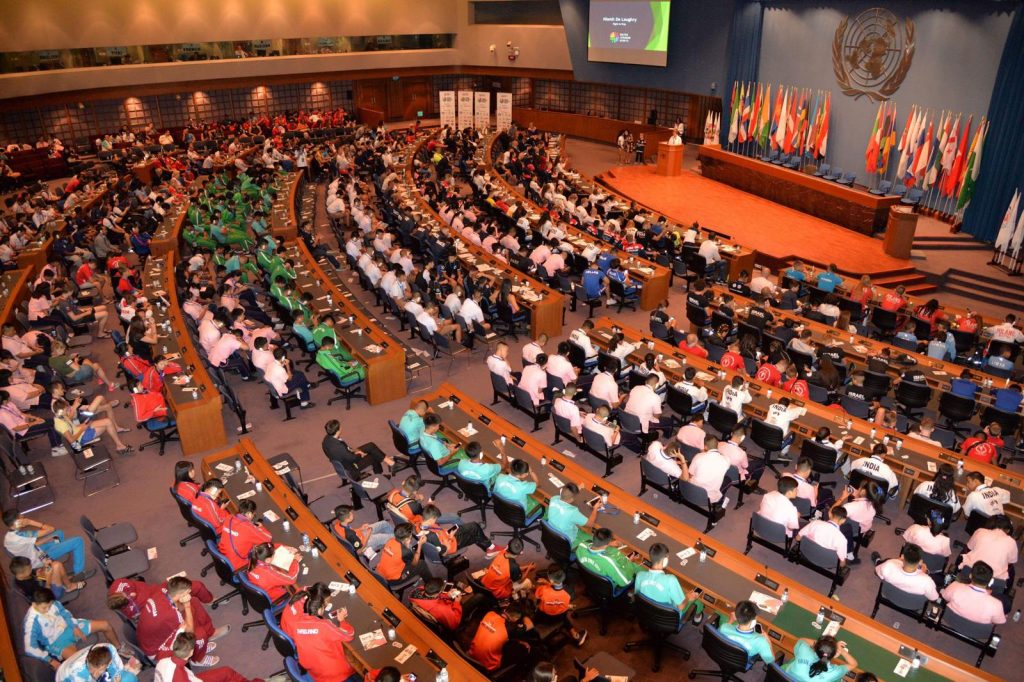
What also distinguishes the UTS format is the space given to conversations that sit around sport. Topics such as safeguarding, anti-doping, bullying, harassment, mental health and respect are not treated as separate programs. They are built into the experience through the Education Forum, the Young Reporters program and the World Youth Conference, where young people are encouraged to engage with pressing issues. Not as passive audiences, but as voices with something to contribute.
Young leaders, not young participants
UTS works with over 40 Young Leaders representing every continent and a wide range of abilities. These are not ambassadors in name only. They include athletes such as Ezra Frech, two-time Paralympic gold medallist at Paris 2024 and founder of Angel City Sports, an NGO dedicated to providing sporting opportunities for young people with disabilities, and Husnah Kukundakwe, the youngest athlete ever to represent Uganda at Olympic level and a passionate advocate for disability rights across Africa. Harmonie-Rose Allen a swimmer, gymnast, and cheerleader, was given a 10% survival rate at birth and went on to win the Pride of Britain award in 2021. These Young Leaders sit in conference sessions, speak at the Education Forum and co-create the program’s direction alongside the most senior officials in the movement. The belief is straightforward: young people are not the audience for conversations about the future of sport. They are among its architects.
Inclusion is not just access
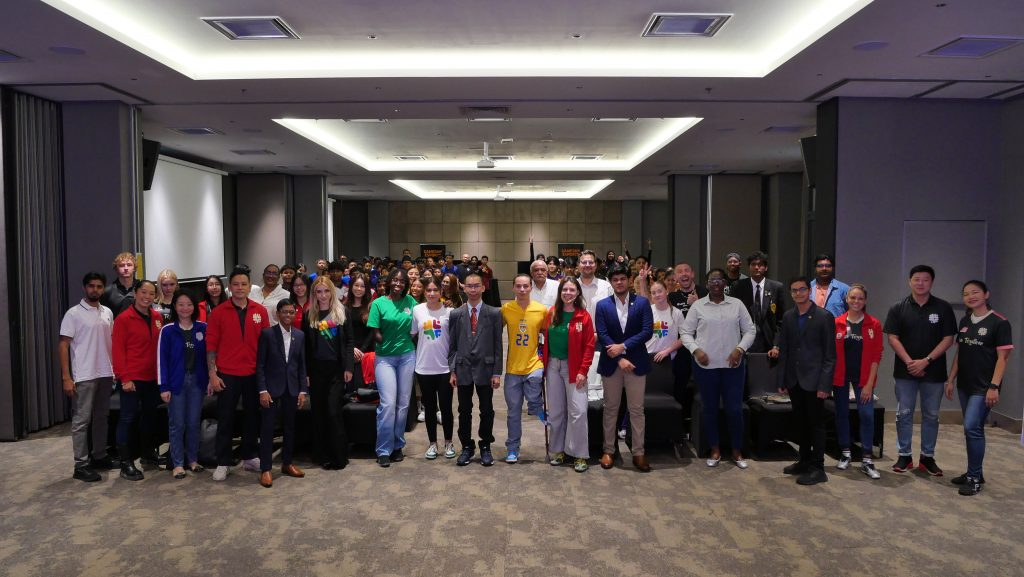
Breaking barriers in sport is often discussed but not always approached with depth. Creating access is only one part of the picture. What matters as much, perhaps more, is whether individuals feel they genuinely belong once they arrive. UTS places a strong emphasis on this, particularly for young people who are often excluded from traditional sporting structures: those with disabilities, those from different cultural and economic backgrounds, and those who may not usually have access to international opportunities. When inclusion is approached seriously, the impact is visible. People grow in confidence, form connections that last beyond a single event and begin to see themselves differently.
Safeguarding as a founding principle
There is a wider responsibility that comes with working with young people at an international level, and UTS does not treat safeguarding as a compliance obligation. Every festival operates under a comprehensive child protection and safe sport framework. Every young leader is exposed to learning opportunities. Every partner is held to a standard. Through partnerships with organisations such as Mission 89, a specialist body focused on protecting young athletes from exploitation and abuse, UTS contributes to ongoing efforts to ensure sport remains a safe and trusted space.
This year, UTS and Mission 89 will jointly launch The Line We Don’t Cross, a global campaign against human trafficking of youth and exploitation in and through sport. It reflects the organisation’s understanding that building bridges must also mean confronting the more difficult realities that exist within sport, not only celebrating its possibilities.
A network built for collective impact
UTS does not work alone. The organisation’s 157 international partners include the IOC, IPC, Special Olympics International, the United Nations, UNESCO, the World Anti-Doping Agency, ITA, SportAccord, AIMS, Right To Play, Mission 89, Generation for Peace, Jujitsu for Good, the IOC Young Leaders program, Emirates Sports and the Islamic Solidarity Sports Association. That breadth of partnership reflects a belief that the challenges sport faces, and the opportunities it presents, are too large for any single organisation to address alone.
“The International Day of Sport for Development and Peace is not just a moment to recognise what sport can offer. It is a reminder that its impact depends entirely on how it is used, and by whom, and for whom.”
For United Through Sports, April 6 is not a one-day conversation. The work of building environments that are inclusive, safe and genuinely meaningful for young people continues every day of the year. In a time when division is often more visible than connection, sport still offers one of the most powerful platforms for bringing people together. The challenge and the responsibility is to ensure those spaces remain open, and honest about what it truly takes to make them work.