International Day of Social Justice was established by the United Nations in 2007 as a global reminder that lasting peace and prosperity depend on fairness, inclusion, and equal opportunity. The day emerged from international agreements recognizing that poverty, inequality, and exclusion undermine stability and prevent societies from reaching their full potential. Around the world, governments, NGOs, and community groups mark the occasion by promoting initiatives that expand access to: education, employment, and social participation. All essential pillars of just societies. Its global significance lies in its call to move beyond discussion and toward tangible action that ensures no one is left behind.
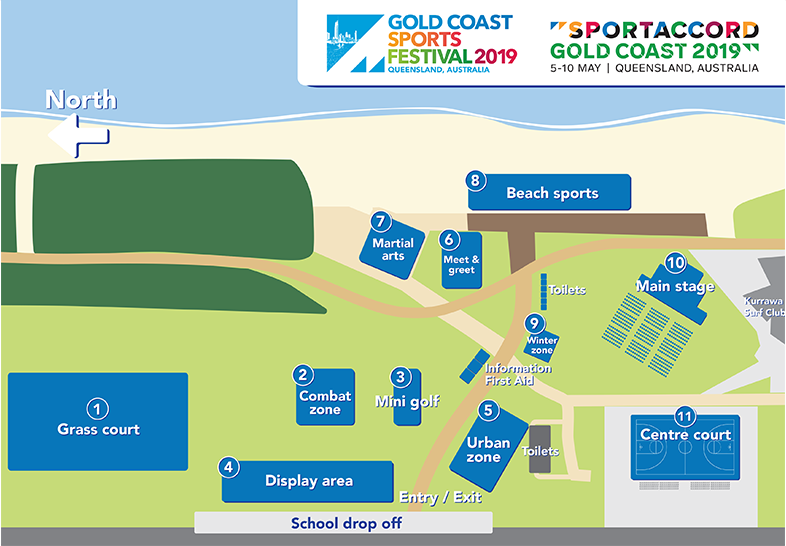
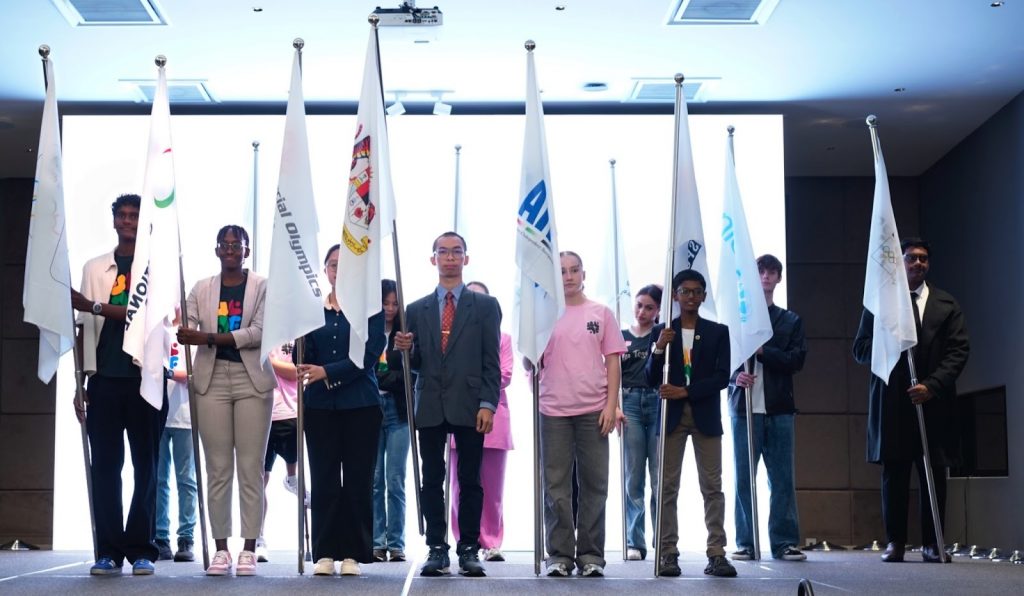
At United Through Sports, social justice is something we actively practice through sport. A prime example was at our UTS World Youth Festival in Malaysia, where we brought together schools from different communities to learn and experience a wide range of sports side by side. By creating shared spaces where young people could watch, try, and celebrate sports together, we worked to overcome social and cultural barriers in a natural, engaging way. Similarly, through our Young Leaders Program, we provide young athletes with platforms to speak, lead, and represent their peers internationally. Opportunities many would not have access to in their communities. These initiatives demonstrate how sport can transform the idea of social justice into something visible, participatory, and empowering for youth.
Currently, UTS is working with Mission 89, the global research and advocacy organisation dedicated to combating child trafficking in sports and athlete protection. Our goal is to contribute an additional, and much needed layer to the safeguarding framework of youth in sports. We want to ensure young athletes are and feel protected by the organisations that support their sporting career.
We remain committed to ensuring that every young person, regardless of background, gender, ability, or socio-economic status, has safe, fair, and meaningful access to participate and develop through sport. It requires creating inclusive environments, protecting the rights and wellbeing of young athletes, addressing discrimination and inequality, and promoting respect, dignity, and opportunity both on and off the field. Through our partnerships focusing on safeguarding, education, and equal opportunity in programmes and building policies, sport can serve as a powerful platform to empower youth, strengthen communities, and contribute to a more just and equitable society.