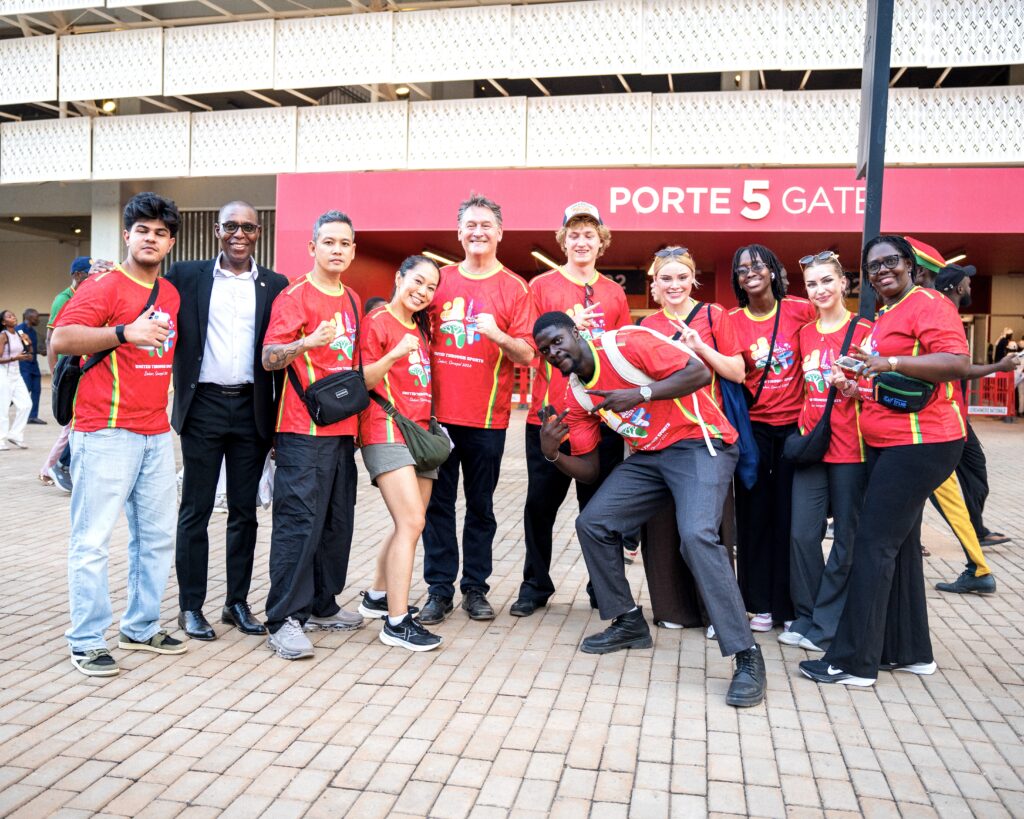
An unforgettable Opening Ceremony brought Senegalese culture, young athletes and the Olympic spirit together, with 80 United Through Sports representatives there to share the moment.
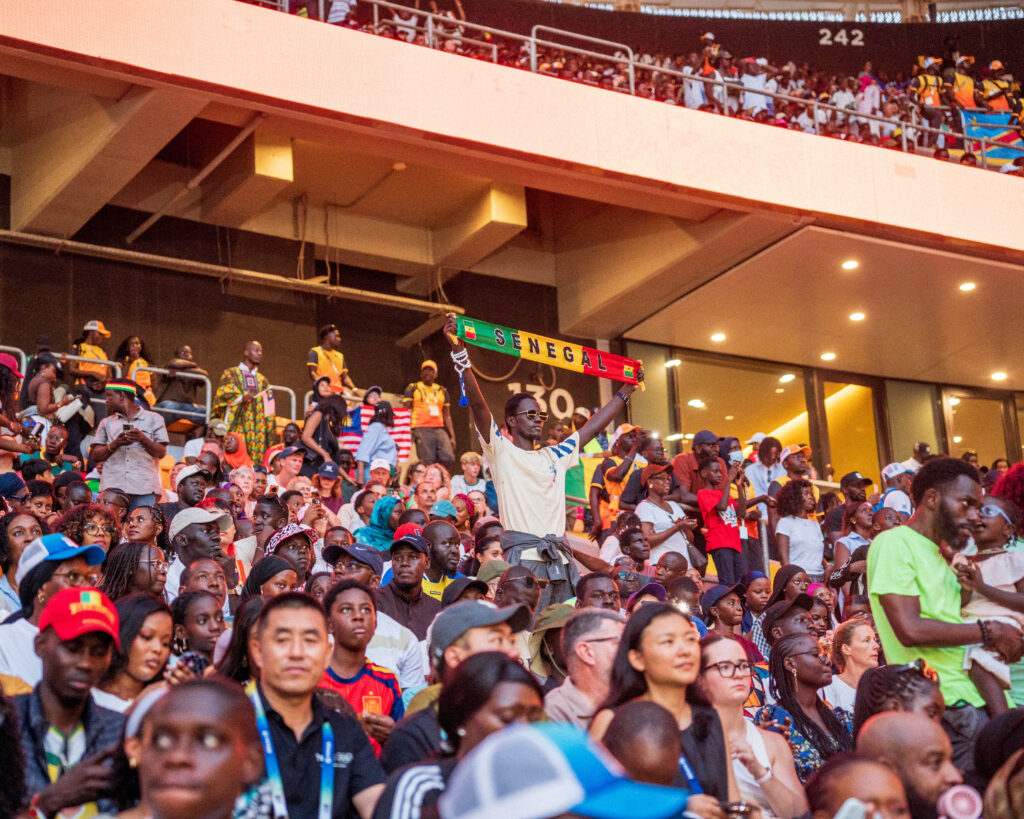
Dakar, 31 October 2026 – The crowd made itself heard from the start. Each time a new performance appeared, cheers and screams rolled around the Stade Abdoulaye Wade. Dancers filled the stage, music carried across the stadium and excitement seemed to build with every act.
For the United Through Sports (UTS) representatives in the stands, the opening ceremony was a chance to experience the scale and spirit of Dakar 2026 together. UTS brought 80 representatives from around the world, including Youth Ambassadors, Young Leaders and international sports leaders. Among them were Karl Olson, President of the International Cheer Union, and Charles Nyambe, Regional President and Managing Director of Special Olympics Africa. The ceremony officially opened the Youth Olympic Games at the stadium in Diamniadio. It marked the first Olympic sporting event to be held on African soil, a milestone for Senegal and the wider Olympic Movement. But the night was not only about history. It was a celebration of the people, performances and young athletes who will give these Games their character.
Senegal Takes Centre Stage
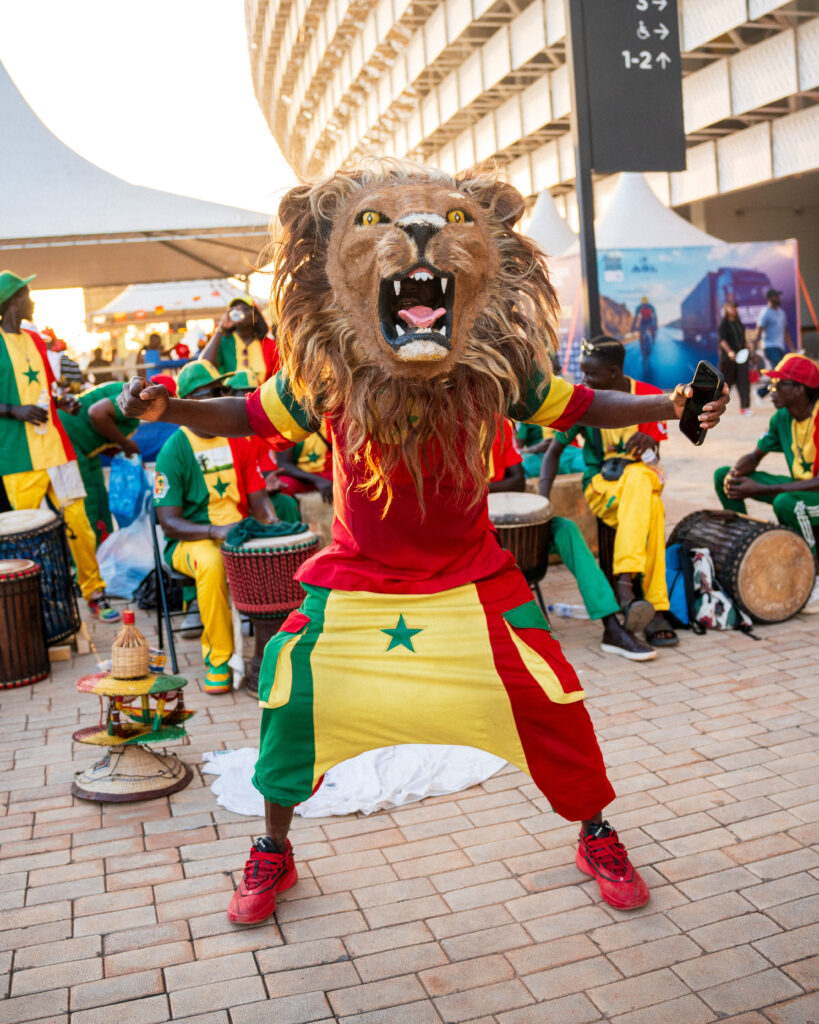
Senegalese culture was woven through the evening. Traditional dance, wrestling and percussion met contemporary music, hip-hop and visual art. Inspired by teranga, Senegal’s tradition of hospitality, the show followed three symbolic characters Alkebulan, Keb and Sitoé, on a journey through generations, reflecting on cultural heritage and the role young people will play in shaping the future.
The scale of the production was remarkable: 1,115 performers took part, including 628 dancers. Nearly 1,500 costumes were made with the involvement of Senegalese designers and craftspeople. Artists including Baaba Maal, Kiné Lam and Daara J Family performed alongside Gambian kora musician Sona Jobarteh and Nigerian artist IB Quake. A tribute to Africa’s 54 countries added another moment of continental pride.
One image brought the stadium to its feet: dancers formed the Olympic rings with their bodies. The crowd erupted. That reaction became a familiar part of the night. Whenever a new act began, the stadium responded with another wave of cheers. It was impossible to watch the performances without being swept up in the atmosphere.
The Athletes’ Moment
Then came the parade. Greece entered first, followed by the first-ever Refugee Youth Olympic Team, making its debut at the Youth Olympic Games. Delegations from around the world followed, with host nation Senegal entering last to a huge welcome from the home crowd.
For the athletes, the parade was a chance to step into the stadium not simply as competitors, but as representatives of their countries and communities. Singaporean badminton player Zack Ng described feeling nervous and excited before entering, then proud and happy after marching out. Australian rugby sevens player Keira Callaghan recalled the cheering crowd and how unreal it felt to enter the stadium with her team.
The parade was only the beginning of the connections forming between athletes. Singaporean flagbearers Loy Ming Ying and Zack Ng exchanged commemorative pins with competitors from other countries, finding a way to connect despite language differences. That exchange captured another part of the Youth Olympic experience: the chance to meet people from different places and leave with new friendships as well as memories of competition.
A Message of African Pride
International Olympic Committee President Kirsty Coventry gave one of the evening’s most personal addresses. Speaking as a Zimbabwean and an African woman, she shared her pride in welcoming the Olympic Movement to the continent.
“This is the Africa that I am so proud and so excited for the world to experience.”
Coventry encouraged the young athletes to believe in themselves, dream big, make new friends and embrace the opportunities in front of them. Her message connected the significance of the Games for Africa with the hopes and ambitions of the young people gathered in Dakar.
Senegalese President Bassirou Diomaye Faye officially declared the Games open. The Youth Olympic flame then completed its journey through Senegal’s 14 regions, and the cauldron was lit. The flame’s arrival marked the start of 14 days of competition, friendship and cultural exchange.
Where Youth Rise Together
For the UTS representatives, the ceremony was more than a spectacular event to watch. Youth Ambassadors and Young Leaders shared the excitement of seeing athletes from across the world take centre stage, while experiencing Senegal’s culture alongside colleagues and sports leaders from different backgrounds.
That spirit of connection sits at the heart of UTS’s work in Senegal. In support of DUNDAL JOJ, the team is working with partners to bring sport and learning into schools and communities. UTS Young Leaders and athletes share their experiences with young people, and the programme aims to create opportunities for participation across sports and for athletes of all abilities.
The opening ceremony brought those ideas to life on a huge stage. Young people from around the world entered the stadium, performers shared Senegalese stories with the crowd, and the audience made sure every new appearance was met with a response.
The Olympic flame is burning, the athletes are ready and a new generation has stepped forward.
Where Youth Rise Together came alive in Dakar.