How Project Aokas Is Redefining Belonging in Cambodia
At United Through Sports (UTS), we believe that every child deserves access to sport not as a privilege, but as a fundamental part of participation in society.
Through our emerging partnership with Inclusive Cambodia, we are supporting Project Aokas, an initiative that demonstrates how sport can play a meaningful role in advancing dignity, visibility, and social inclusion. By combining martial arts with community led advocacy, Project Aokas is helping to reshape attitudes toward disability and gender in Cambodia, while creating practical opportunities for youth who have long been excluded.
Moving Beyond Charity
Project Aokas emerged from a clear and difficult observation.
Co founder Oliver King saw that many children with disabilities in Cambodia were being kept at home, excluded from education, healthcare, and social life. This exclusion was rarely about ability. More often, it stemmed from stigma, poverty, and a lack of community support.
While short term charitable interventions can provide relief, they do little to address the underlying systems that sustain exclusion. Project Aokas was therefore designed as a long term, community-based program focused on changing perceptions as well as access.
Its guiding principle is simple. People should be recognised for who they are, rather than defined by what they are perceived to lack.
Why Martial Arts?
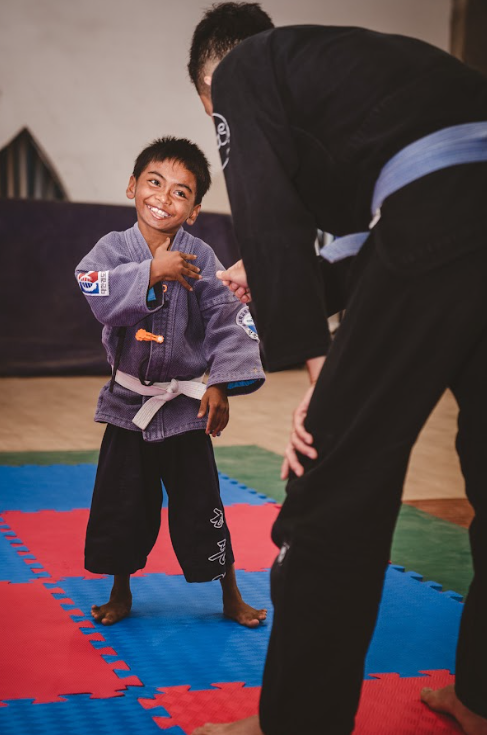
Two disciplines sit at the centre of Project Aokas, each chosen for its practical and cultural relevance: Jiu Jitsu and Kun Khmer.
Jiu Jitsu
Jiu Jitsu emphasises technique, control, and problem solving rather than size or strength. This makes it particularly well suited to inclusive practice.
For children with disabilities, training provides opportunities to develop mobility, balance, and coordination in a non clinical environment. It offers a structured way to build confidence and body awareness, and creates a setting where adaptability and strategy are valued.
Kun Khmer
Kun Khmer is Cambodia’s national martial art and an important part of the country’s cultural heritage.
Training in Kun Khmer offers a strong sense of cultural identity, pride in learning a discipline rooted in local tradition, and confidence gained through representing Cambodian sport.
Together, these disciplines support both physical development and a sense of belonging.
Girls Leading the Way
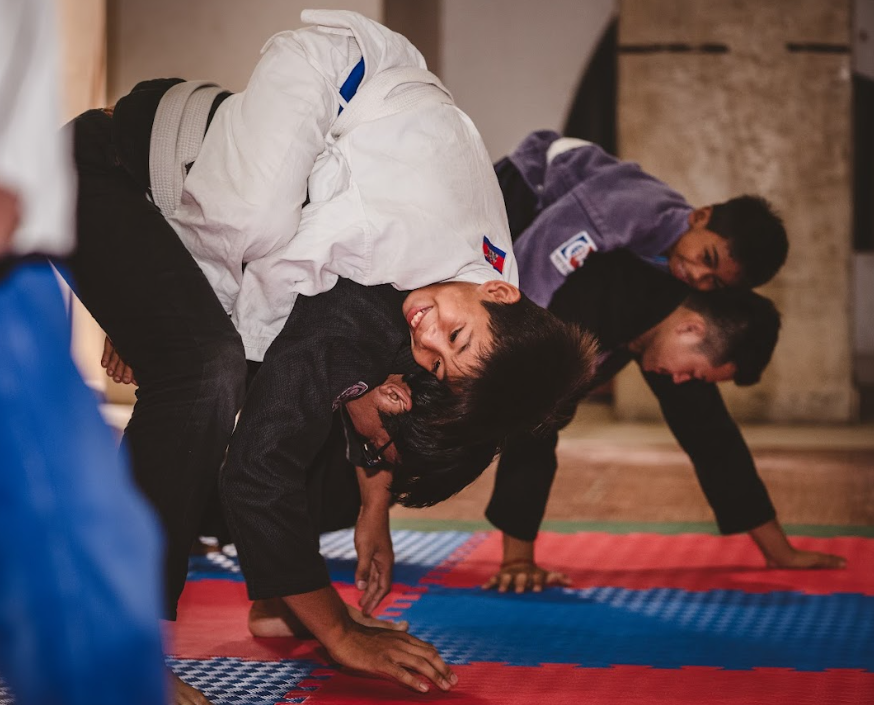
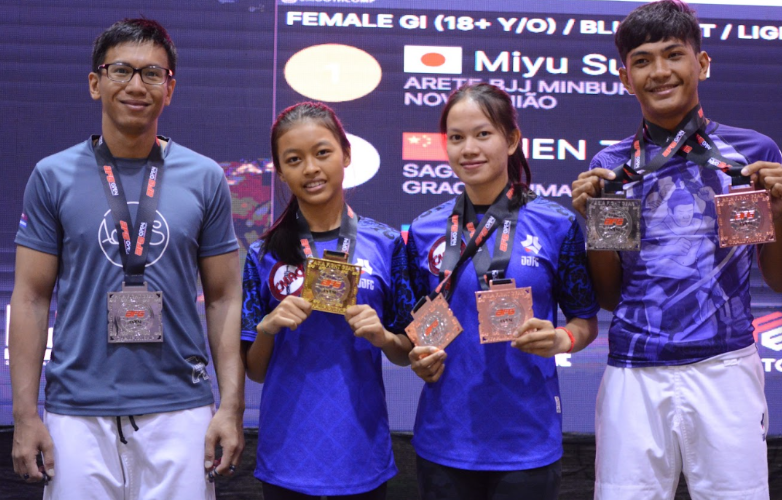
One of the most notable outcomes of Project Aokas is that 60 percent of participants are female. This success wasn’t accidental; it was driven by visibility.
In a sporting context that has traditionally been male dominated, this represents a significant shift. The programme’s leadership structure plays a key role. Equal numbers of male and female coaches ensure that girls see women in positions of authority and expertise.
Project Aokas sends a powerful message that combat sports are for everyone. When parents see young women in their own communities gaining independence and leading classes, they are far more likely to support their daughters’ participation.
As a result, families are more willing to support their daughters’ participation. Many of these young women now compete internationally and are beginning to take on leadership roles within the programme.
Impact Beyond The Training Mat
The effects of Project Aokas extend well beyond physical activity.
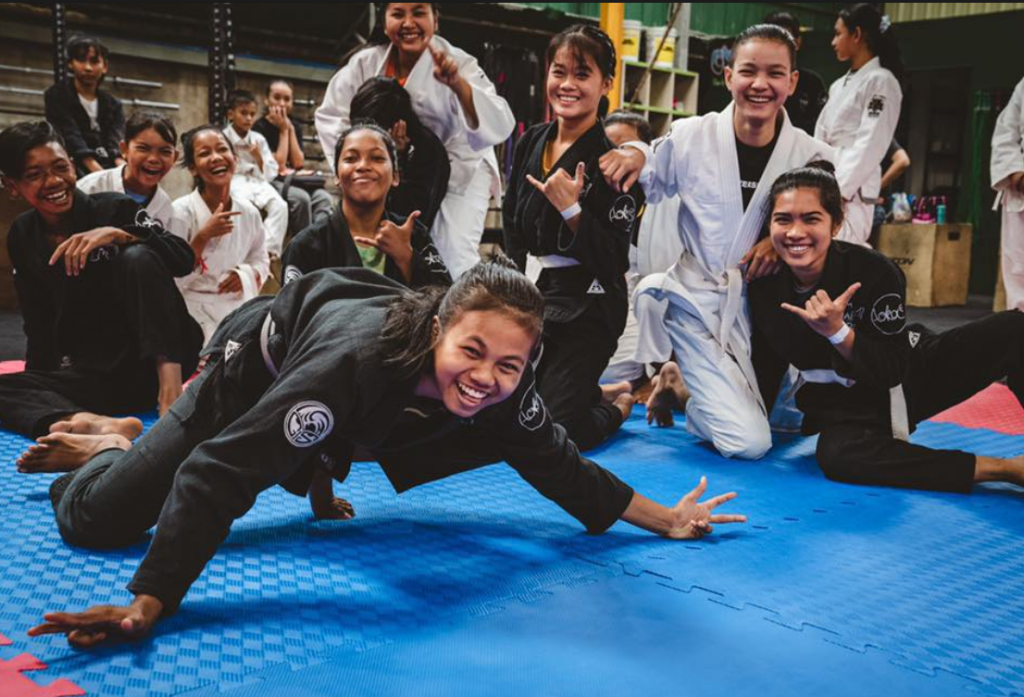
Participants develop skills that influence their wider lives, including resilience through learning to persist and adapt, problem solving by adjusting techniques to suit their own bodies, social connection as disabled and non disabled athletes train together, reshaping their assumptions about one anotheг and leadership as more experienced students support new participants.
These outcomes contribute to greater confidence at school, improved social interaction, and stronger community ties.
From Exclusion to Visibility
A defining moment for Project Aokas took place at the Jiu Jitsu National Championships, where two disabled athletes from Project Aokas performed a self defence demonstration alongside their non disabled teammates. In front of a national audience, they moved from being “excluded” to being “visible,” standing proudly as representatives of their country. Such a powerful moment that for Oliver:
For the first time, they were visible on a national stage not as exceptions, but as athletes.
“That moment felt like the physical manifestation of everything we had been working towards – inclusion, visibility, confidence, and belonging. These were children who, not long ago, were often excluded or overlooked, now standing proudly on a national stage supported by their peers.”
Oliver King, Co Founder, Project Aokas
A Shared Vision
UTS shares Project Aokas’ long term aim of supporting these athletes to represent Cambodia on the international para sport stage.
By removing financial barriers and providing training, equipment, and transport at no cost, Inclusive Cambodia ensures that participation is not limited by income or circumstance.
This approach reflects UTS’ broader commitment to equitable access to sport. Together, we are working toward communities where inclusion is not treated as an exception, but as a normal and expected part of everyday life.
Sport does not only strengthen bodies.It shapes confidence, relationships, and opportunity, and over time helps change societies. Together, we are fighting for a world where inclusion is not just an initiative, but a normal, celebrated part of every community.